
Have you ever heard about Transient Ischemic Attack (TIA), or what’s more commonly known as a mini-stroke? While perhaps not as common as a more serious stroke, a mini-stroke can potentially provide an early warning of your health condition.

Understanding the symptoms, causes, and treatment of a mini-stroke can be an important first step in maintaining brain health and preventing more serious risks in the future.
What is a Mild Stroke
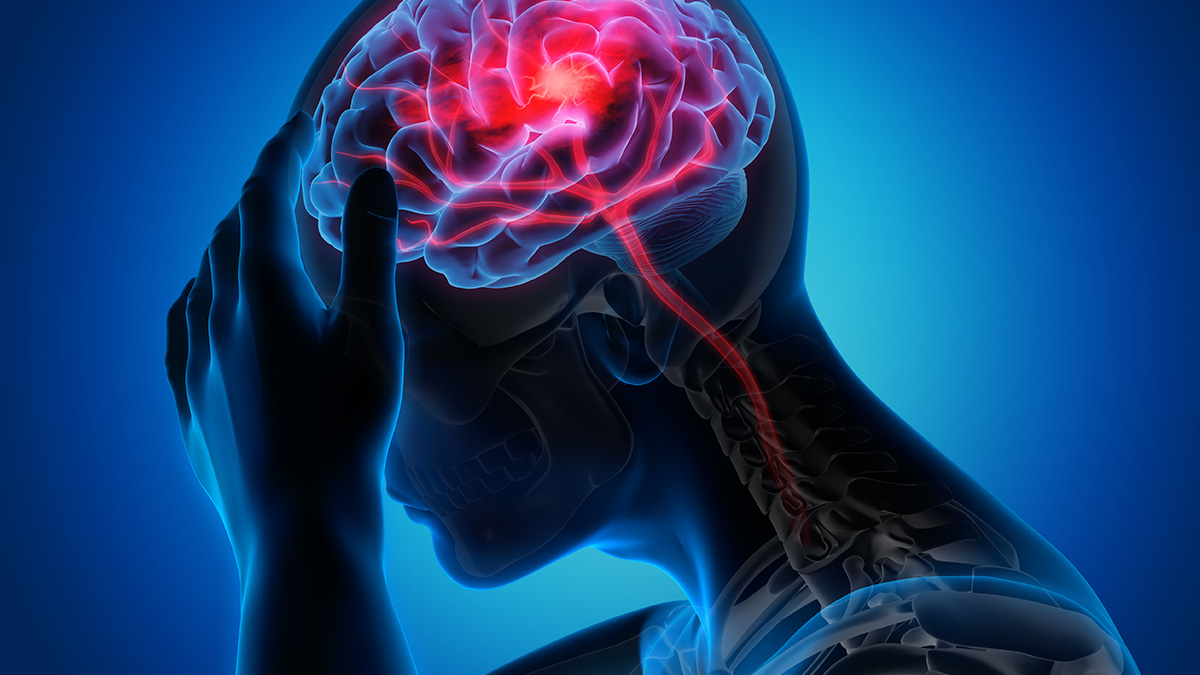
A mild stroke occurs when blood flow to the brain is briefly blocked. This can occur when a blood vessel supplying the brain gets blocked, but it doesn’t last long enough to cause permanent brain damage.
Symptoms of a mild stroke can vary depending on which part of the brain is affected and how bad the blockage is. Some common symptoms include:
- Numbness or weakness on one side of the body: This can happen to the hands, feet, or face. For example, a person might have trouble moving an arm or leg on one side of the body.
- Loss of vision: Double vision, blurring, or loss of vision in one or both eyes can be symptoms of a TIA.
- Difficulty speaking or understanding speech: People with TIA may have trouble speaking or understanding what others are saying.
- Balance or coordination problems: People with TIAs may feel dizzy, have difficulty walking, or have balance issues.
- Inability to control eye movements properly: Abnormal eye movements or difficulty controlling eye movements may also occur.
While the symptoms of a mini-stroke are temporary and don’t cause permanent damage, a TIA shouldn’t be ignored, as it can often be a warning sign that a more serious stroke is imminent.
Causes of Mild Stroke
Did you know? Up to 1 in 3 people who experience a TIA will have a more serious stroke within a year—especially without treatment.
Arteries are blood vessels that supply oxygen and nutrients to the brain. This plaque buildup can reduce blood flow to the arteries or potentially cause blood clots. These clots then travel to the arteries in the brain, causing a mini-stroke.
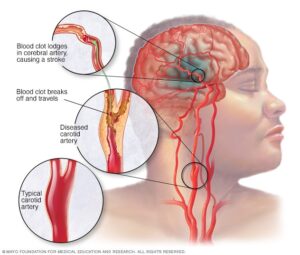
These blood clots can travel from blood vessels to the heart or other parts of the body. As a result, many people with heart disease also experience strokes. Some risk factors for strokes include:
- Descendants
Family history can be a risk factor for a ministroke. If a family member has had a TIA or stroke, your risk may be higher. Genetic factors can also influence the predisposition to blood vessel disorders and TIA-related diseases.
- Lifestyle
An unhealthy lifestyle can increase the risk of TIA. Smoking, consuming foods high in saturated fat and cholesterol, and a lack of physical activity can lead to narrowing of the arteries and plaque formation. This increases the chance of blood clots forming, which can cause a TIA.
- Certain Diseases
Some medical conditions, such as diabetes, high blood pressure (hypertension), heart disease, cholesterol, and heart rhythm disorders (such as atrial fibrillation), can increase the risk of TIA. Diabetes can damage blood vessels and increase plaque formation, while heart disease can affect blood flow to the brain.
- Age
The risk of TIA and stroke generally increases with age. The aging process can cause changes in blood vessels, increasing the likelihood of cholesterol plaque formation and the risk of impaired blood flow.
How to Treat Mild Stroke
Treatment for a TIA is vital to prevent a more serious stroke in the future. Treatment can involve a variety of approaches, including medication, minimally invasive carotid intervention, and lifestyle changes. Here’s some general information about TIA treatment options:
- Medicines
Antiplatelets: Medications such as aspirin or clopidogrel may be prescribed to prevent blood clots from forming in the arteries, thereby reducing the risk of TIA and stroke.
Anticoagulants: In some cases, anticoagulants such as warfarin or apixaban may be given if there is a history of atrial fibrillation or other conditions that require stronger prevention of blood clot formation.
Blood Pressure Control: If high blood pressure contributes to your TIA, your doctor may prescribe medication to manage it.
Cholesterol Control: Medications to regulate cholesterol levels may also be recommended to prevent the formation of cholesterol plaque in the arteries.
- Minimally Invasive Carotid Intervention
Suppose the cause of the TIA is related to the narrowing of the carotid artery (the main blood vessel that carries blood to the brain). In that case, the doctor may recommend a minimally invasive procedure to treat the narrowing.
Carotid Endarterectomy: This procedure involves removing plaque from the carotid artery wall to restore normal blood flow.
Carotid Angioplasty and Stent: In this procedure, the doctor can place a stent (a small, tube-shaped structure) inside the artery to keep the blood vessel open and blood flow smooth.
- Lifestyle Changes
Quit Smoking: Smoking damages blood vessels and increases the risk of narrowing of the arteries. Quitting smoking can help improve blood vessel health and reduce the risk of TIA.
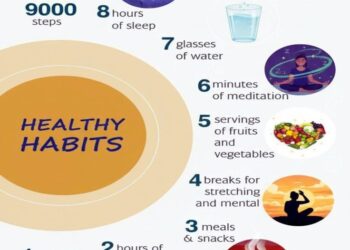
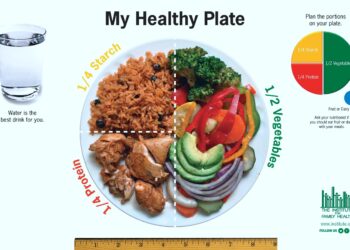
Adopting a Healthy Diet: Eating foods low in saturated fat, cholesterol, and sodium, and rich in fiber, can help control TIA risk factors such as high blood pressure and high cholesterol.
Regular Physical Activity: Exercising regularly can help maintain healthy blood vessels, control weight, and improve blood circulation.
To prevent a mini-stroke, you need to maintain a healthy lifestyle, such as exercising regularly, avoiding smoking or secondhand smoke, and limiting your intake of high-fat, salt, and sugar. If you experience any of the above symptoms, consult a doctor immediately for appropriate treatment.
Recognizing the early signs of a TIA can save your life. Don’t delay—consult a doctor if you experience any of the symptoms above.
Meta description:
A mild stroke or TIA may feel temporary, but it’s a severe warning. Learn symptoms, causes, and treatment options to prevent future strokes.