
One of the biggest myths about vegetarian and vegan diets? That you can’t get enough protein. But with the right foods – and a little planning – you absolutely can.

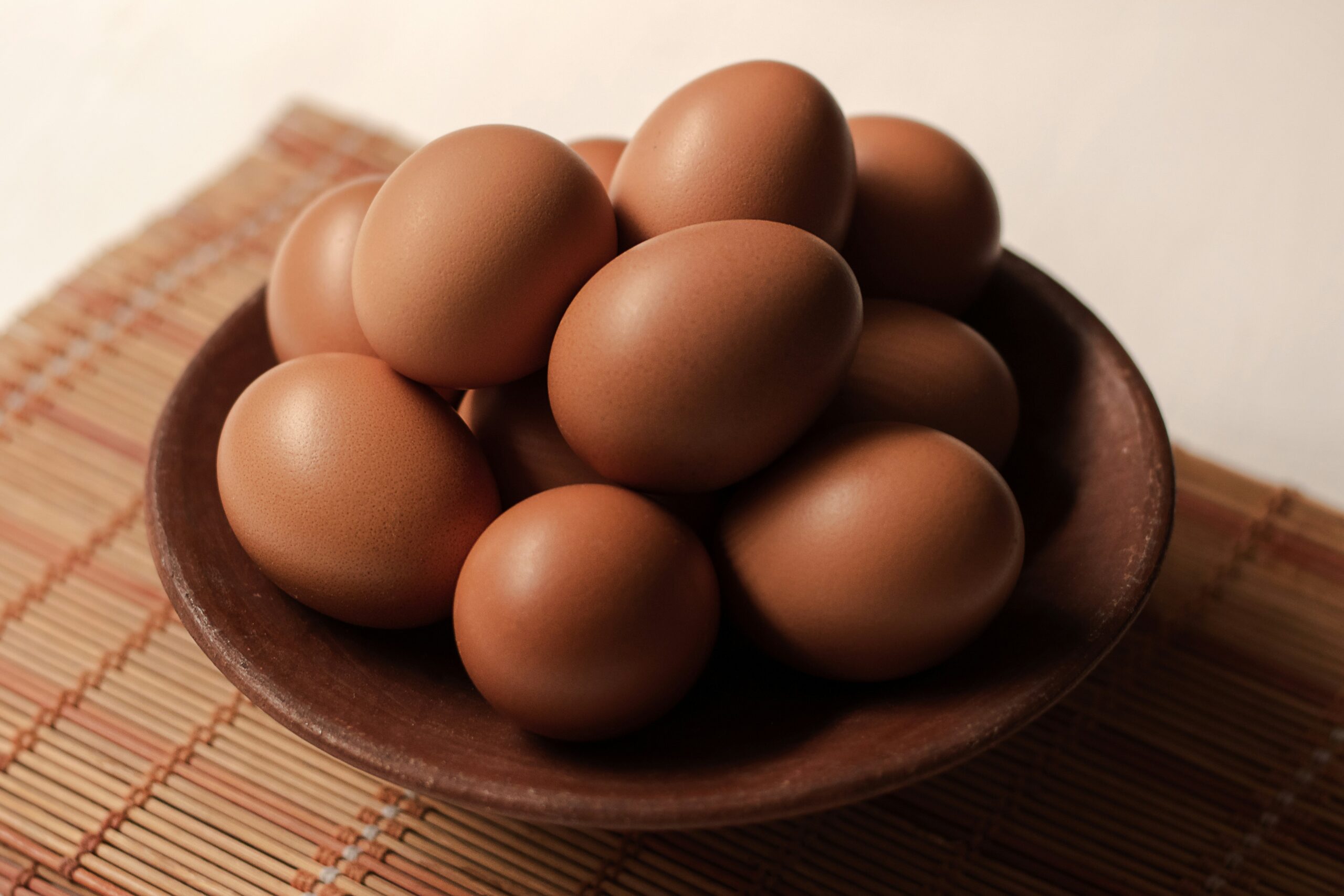
Scientifically speaking, the main structure of a protein is a chain of amino acids. To maintain health, the human body requires a sufficient amount of amino acids. This is why we are encouraged to consume meat, fish, milk, and eggs.
These foods are rich sources of amino acids. However, amino acids can also be found in plant-based sources such as soy, legumes, beans, and seeds.
How much protein is needed daily?
The Recommended Dietary Allowance (RDA) for protein is 0.8 grams of protein per kilogram of body weight, or 0.36 grams per pound. The RDA represents the amount of nutrients needed to meet basic nutritional requirements.
For pregnant women, protein needs increase. The American Pregnancy website recommends 75 to 100 grams of protein per day to support fetal tissue development, as well as the enlargement of the placenta, breasts, and blood supply.
“[Proteins] enable us to function, they are essential for development, tissue growth, structure, repair, and communication between the different entities in our ecosystem,” said Dr Emilie Steinbach, a neuroscientist specializing in neuro-nutrition.
Additionally, individuals seeking to maintain muscle mass and strength may require a higher daily protein intake than the average person. The timing and manner of protein consumption also affect its effectiveness.
Several studies show that protein is more effective when consumed in intervals rather than all at once. This is because the body has a limited capacity to absorb and utilize protein at one time.
When we consume a large amount of protein in one sitting, some of it may not be optimally used for muscle protein synthesis or other bodily functions. Instead, it can be broken down and stored as energy or even converted into fat.
How to maintain protein intake
To increase daily protein intake, several key points should be considered. Rather than focusing solely on “eating more meat,” we should broaden our perspective on obtaining more protein.
Indeed, animal products like beef, poultry, pork, milk, cheese, and eggs are high-quality sources of protein. However, many plant-based foods are also rich in protein, including whole grains, legumes, other pulses, and vegetables.
It is essential to consider the “package” of nutrients that comes with your protein source, such as fats, carbohydrates, vitamins, minerals, and other nutrients. Select protein sources that are low in saturated fat and refined carbohydrates, yet rich in various essential nutrients.
Finally, if you’re increasing your protein intake, it’s also essential to reduce the intake of other nutrients to keep your total daily calorie intake balanced.
Vegan and vegetarian diets
Given how crucial protein is for the body, how do those who follow vegan or vegetarian diets meet their needs? Vegan and vegetarian diets focus on plant-based foods and avoid the consumption of animal products.
Vegetarianism is a lifestyle that excludes food derived from animals, such as beef, goat, pork, poultry, and seafood like fish and shellfish.
Meanwhile, veganism is a more restrictive form of vegetarianism. It is defined as a lifestyle that seeks to avoid all forms of animal exploitation, including for food, clothing, cosmetics, or other purposes.
The belief that protein can only be obtained from meat is a myth. In reality, there are many high-quality plant-based protein sources to rely on.
The key is variety. By consuming a wide range of plant-based foods throughout the day, vegans and vegetarians can easily get all the essential amino acids their bodies need.
Some top plant-based protein sources include legumes (such as soybeans, lentils, chickpeas, kidney beans, and green peas), as well as tempeh and tofu. Whole grains, such as brown rice, whole wheat, and oats, are also excellent options.
Additionally, protein can also be found in almonds, walnuts, sunflower seeds, pumpkin seeds, chia seeds, flaxseeds, broccoli, spinach, and asparagus.
With proper planning and a diverse selection of foods, those on vegan and vegetarian diets don’t need to worry about protein deficiency. Plant-based diets often provide a healthier nutritional package – lower in saturated fats and rich in fiber, vitamins, and minerals.
Quick tips to meet your plant-based protein goals:
- Eat a wide variety of legumes, grains, seeds, and nuts
- Space protein intake across meals
- Combine different plant sources for a complete amino acid profile
- Track intake during the transition period
- Consider consulting a dietitian for personalized guidance