
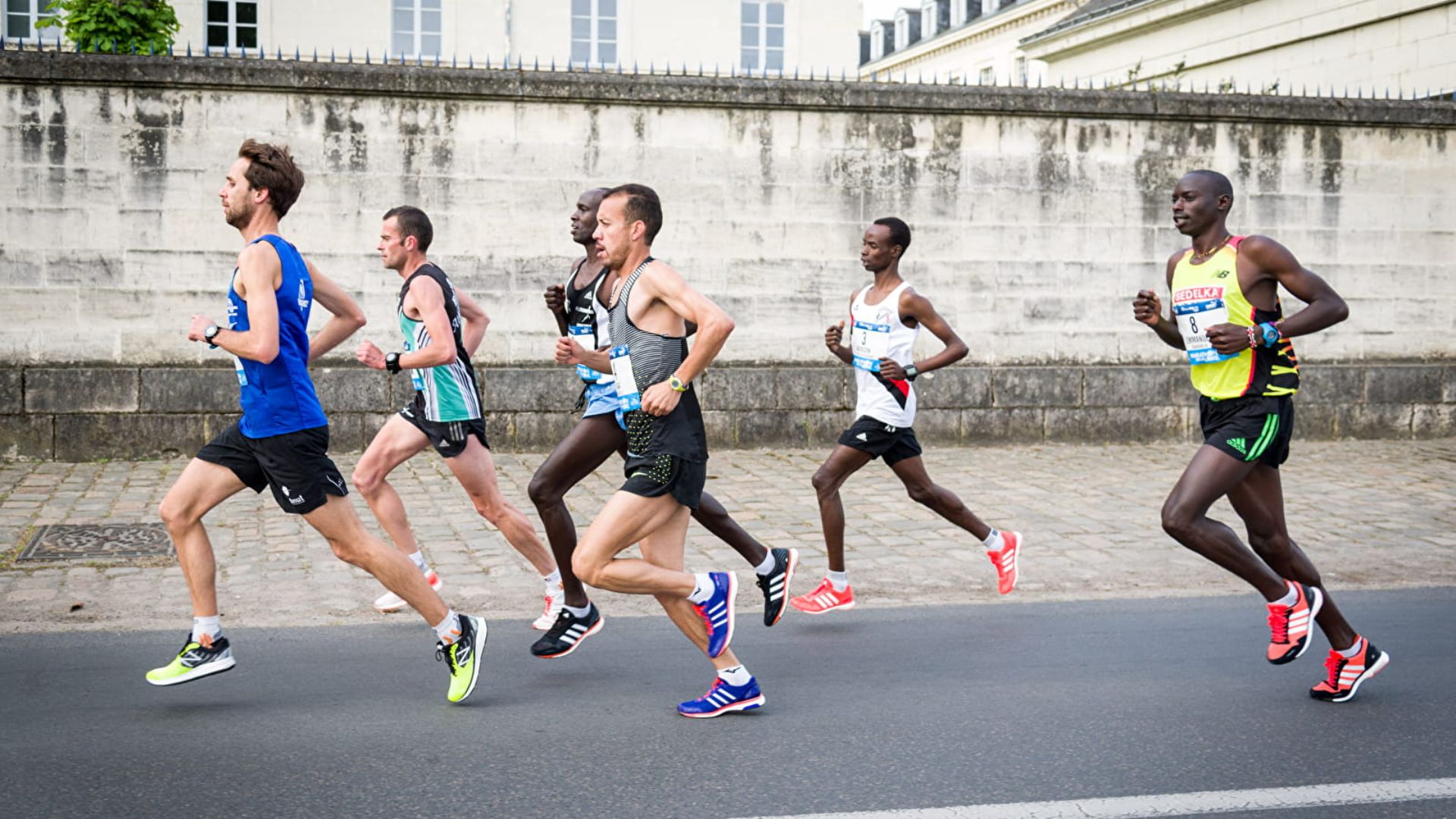

Running a marathon without proper preparation can pose serious dangers. On social media, you may see many users proudly crossing the finish line and claiming they did it with absolutely no training at all.
It’s impressive—truly impressive in a “crazy” way. However, running a marathon without preparation is not something professionals, athletes, or fitness coaches would ever recommend. The biggest risk of running a marathon without training is injury. When you run long distances without adequate preparation, your legs are subjected to extreme stress.
In the worst cases, this stress can weaken the ligaments’ ability to absorb shock. The knees are also common victims. When the cartilage under the kneecap becomes irritated, pain appears at the front of the knee. Additionally, pain may develop along the inner shin due to repeated impact and stress.
Types of Training Needed Before a Marathon
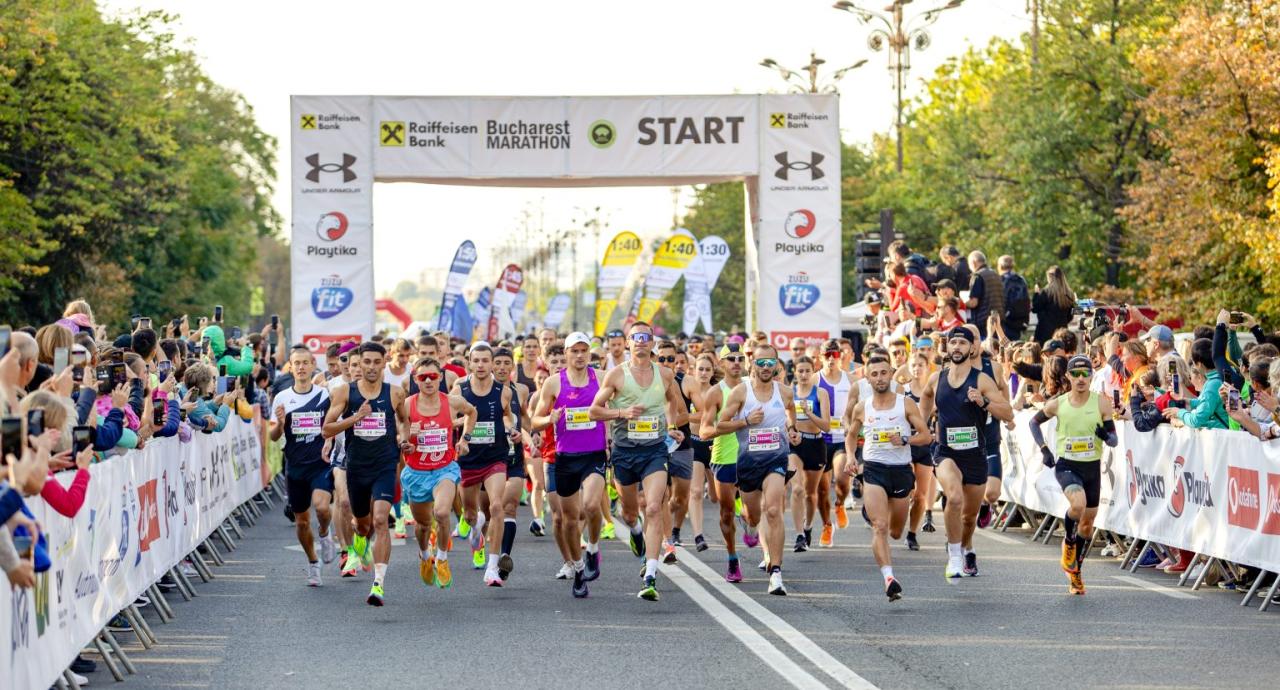
To avoid injury and serious accidents, proper training is essential. Ideally, you should train your body for around 12–20 weeks before race day so your muscles and joints are not shocked by the sudden strain.
There is no single “mandatory” workout that everyone must do before a marathon. However, it is recommended to build a habit of running four to five days per week. Start with easy, relaxed runs, then gradually increase both distance and speed over time.
Don’t forget to stretch before running and cool down afterward. You should also add strength training—such as push-ups and pull-ups—between running sessions. Just as important, give your body enough time to rest.
Note: As race day approaches, it’s best to reduce training intensity so you can perform at your peak on marathon day.
Food Intake Before and After a Marathon
Training hard only to miss the marathon because of stomach problems is certainly not ideal. That’s why, beyond training, managing your diet before a marathon is equally important.
Jena Brown, a sports nutritionist and owner of Victorem Performance Nutrition in Texas, recommends eating a high-carbohydrate meal the night before a marathon. As a general guideline, aim for 60–90 grams of carbohydrates and 20–30 grams of protein.
“Eat a high-carbohydrate meal with moderate protein, fat, and fiber the night before the marathon. Avoid trying new or spicy foods that may cause digestive issues before or during the race,” she advises.
Meanwhile, Grace Kelley, a sports nutritionist and owner of Nourished Endurance, emphasizes that focusing on carbohydrate-rich foods helps maximize glycogen stores before a marathon. Carbohydrates are the body’s primary energy source during long and intense activities such as marathon running.
On the morning of the marathon, Kelley recommends consuming about 3 grams of carbohydrates per kilogram of body weight for events lasting around 2.5 hours.
She suggests foods such as a bagel with peanut butter and banana, a glass of orange juice, a bottle of carbohydrate-rich sports drink, and energy gels to help meet carbohydrate needs of up to 200 grams.
After the marathon, aim to eat within one to two hours of finishing. Ideally, choose foods rich in carbohydrates and protein, as your body is likely in an energy deficit. It needs fuel to repair and recover.
Drink plenty of water, and even better, rehydrate with electrolytes. This helps reduce muscle cramps and speeds up recovery by restoring fluid balance.
What to Do After You Finish a Marathon
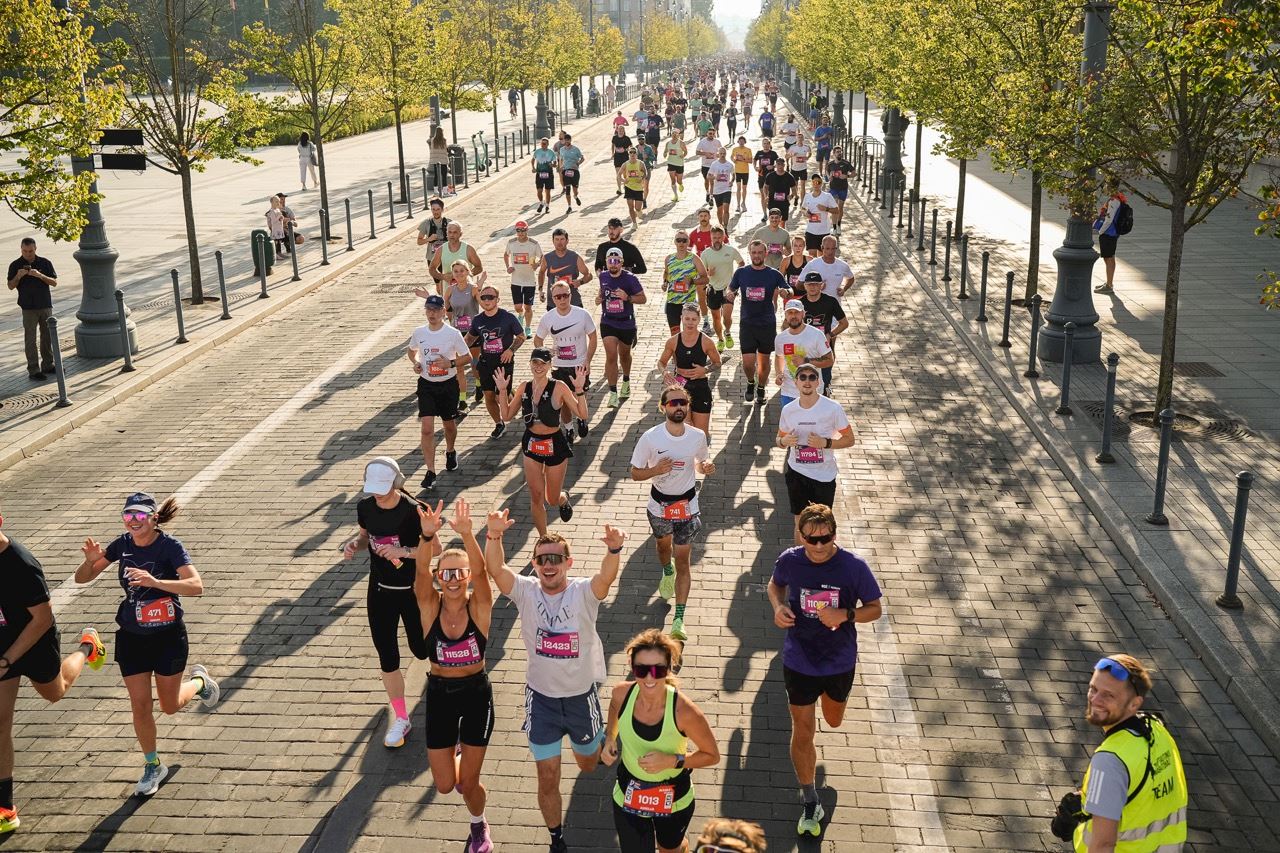
After running and refueling, don’t waste all your hard work by recovering carelessly. Many first-time marathon runners don’t know how to recover properly.
They finish the race, head to a pub for a beer or two to celebrate, enjoy a large dinner, and then go straight to bed. While celebrating is perfectly fine, poor recovery habits can undo the benefits of all your effort.
On marathon day itself, if you want to speed up recovery, consider taking an ice bath. Cold exposure helps flush waste products from the muscles and encourages the flow of freshly oxygenated blood, which accelerates recovery. After that, prioritize getting enough sleep.
The day after the marathon, you’ll likely wake up with delayed onset muscle soreness (DOMS). This muscle pain and fatigue usually last between three and five days. Recovery time varies from person to person—some runners may need only a few days of rest, while others may require more than a week.
So even if it’s tempting to stay in bed or on the couch watching your favorite shows, try to engage in active recovery. This can include short walks, easy swimming, or light cycling. Continue consuming carbohydrates to replenish glycogen stores and enough protein to help repair and rebuild muscle tissue.