

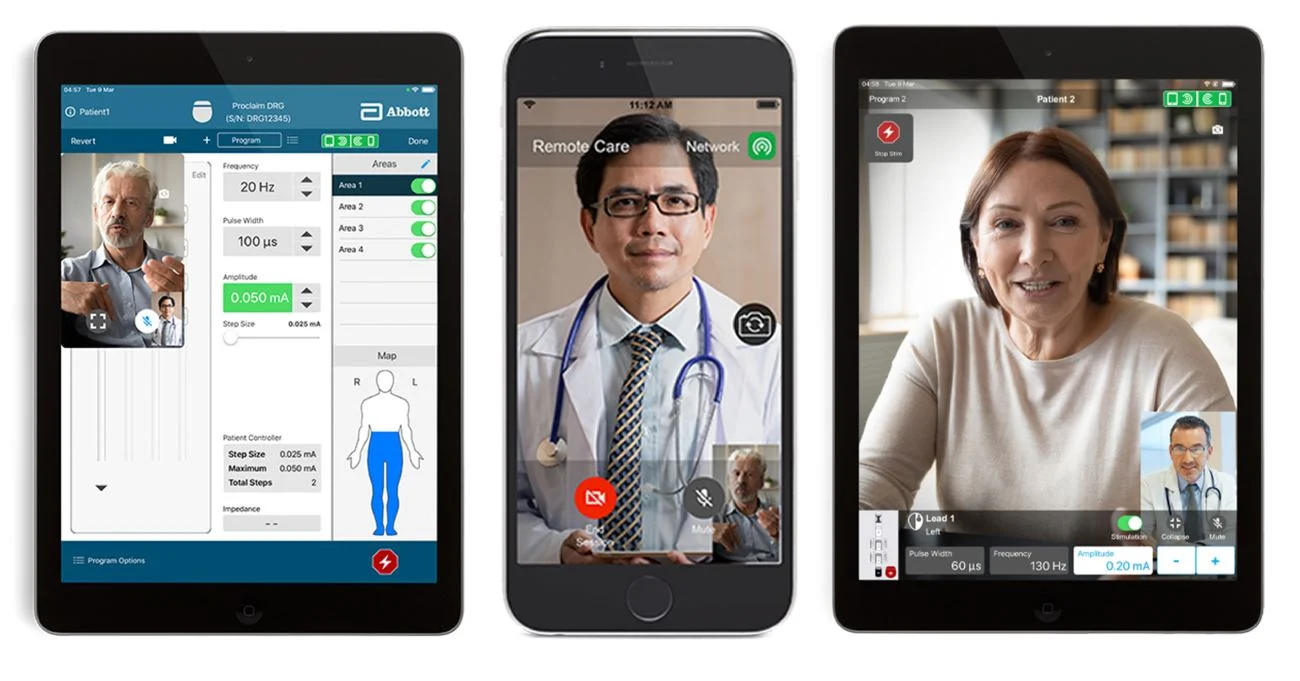
The health care industry has undergone a dramatic revolution in the past few years, and the front and center of this revolution is telehealth. What started as a basic means of conducting remote consultations, telehealth has become a high-facility, full-service affair in the guise of virtual clinics. The revolution not only alters the way care is delivered but also the way patients access and communicate with the healthcare system.

From Convenience to Continuity
Originally used for its convenience, telehealth was first limited to basic video consultations. But with rapid technology advancements and growing needs for easy care, the scope of telemedicine has expanded exponentially. Virtual clinics of today provide end-to-end healthcare services—from diagnosis and prescription to counseling and management of chronic diseases—all from home.
Besides, this technology revolution promises continuity of care, particularly for rural or under-served patients. With a laptop or smartphone, individuals can now access world-class medical consultations, overcoming geographical barriers that once limited access to vital services.
Key Drivers of Telehealth Growth
Several factors have propelled this change. One is that the pandemic accelerated adoption as traditional systems were strained. Two is that improvements in AI, the cloud, and electronic health records enhanced virtual care platforms’ reliability and scalability. Three is that regulatory changes and broader insurance coverage helped enable mass adoption.
Today, therefore, virtual clinics are no longer a temporary solution—they’re a mainstay of modern healthcare.
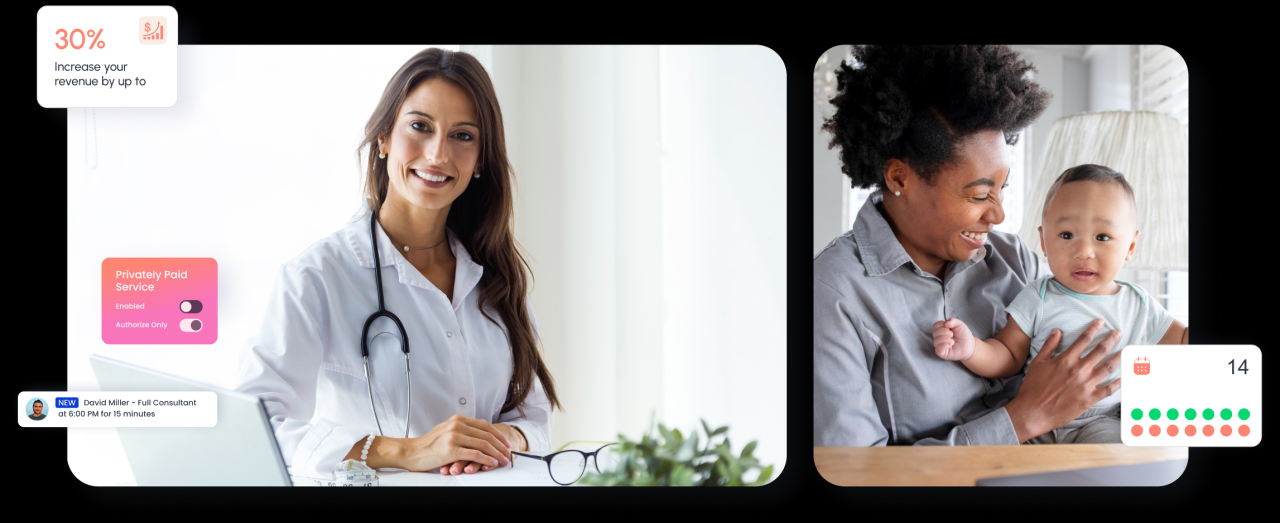
Virtual Clinics: Why They Excel
What actually distinguishes virtual clinics is their holistic approach. Differing from simple teleconsultations, these websites offer:
- 24/7 access to a panel of licensed physicians and specialists
- Integrated lab services and e-prescription facilities
- AI-powered symptom checkers and remote diagnostic devices
- Mental health therapy, coaching, and behavioral well-being programs
- Chronic disease tracking on an ongoing basis using wearable devices
These combined capabilities deliver personal, proactive care—often with faster response times and greater privacy than office visits.
The Benefits to Patients and Providers
Benefits to patients are unquestionable. Virtual clinics conserve time, reduce costs, and provide greater flexibility—especially for those with chronic conditions or requiring discreet services like therapy. Providers, in turn, get greater efficiency, access to larger patient bases, and improved data-driven insights to drive better treatment outcomes.
In addition, virtual clinics allow patients to take ownership of their care journey. With digital health records, mobile app-based scheduling, and on-demand support, individuals become active participants and no longer mere passive recipients of care.
Looking Ahead: The Future of Connected Care
As telehealth advances, its future includes even greater convergence with emerging technologies. From augmented reality diagnosis to predictive analytics in preventive medicine, the virtual clinic platform will be more and more immersive, smart, and intuitive.
In short, what began as an adaptation to necessity has grown into a revolutionary force reshaping the landscape of healthcare. Telehealth, with the advent of virtual clinics, is not only here to stay—it’s ready to pen the next chapter in patient-focused, technology-driven care.