
The Basics of Mental Health
Mental health has been the most debated issue of modern life. With stress, pressure, and lifestyle impacting millions of lives in modern society, it is no longer an option but a necessity to recognize and rectify emotional. Positive emotional is the foundation of overall wellbeing, which affects how we feel, think, work, and relate to others.

What Is Mental Health?
Mental health is the emotional, psychological, and social well-being. It influences how we deal with stress, problems, and interact with others. Unlike physical health, where one can observe worrying, mental illness cannot be observed, which makes it all the more critical to know about and respond immediately.
Why Mental Health Matters
Good emotional improves productivity, creativity, and decision-making. Good emotional improves relationships and resilience to stress. Bad emotional causes disorders such as anxiety, depression, and chronic stress that interfere with work, school, and daily life. Mental illness is, according to health world research, one of the most prevalent contributors to reduced quality of life despite being underestimated.
Common Mental Illnesses
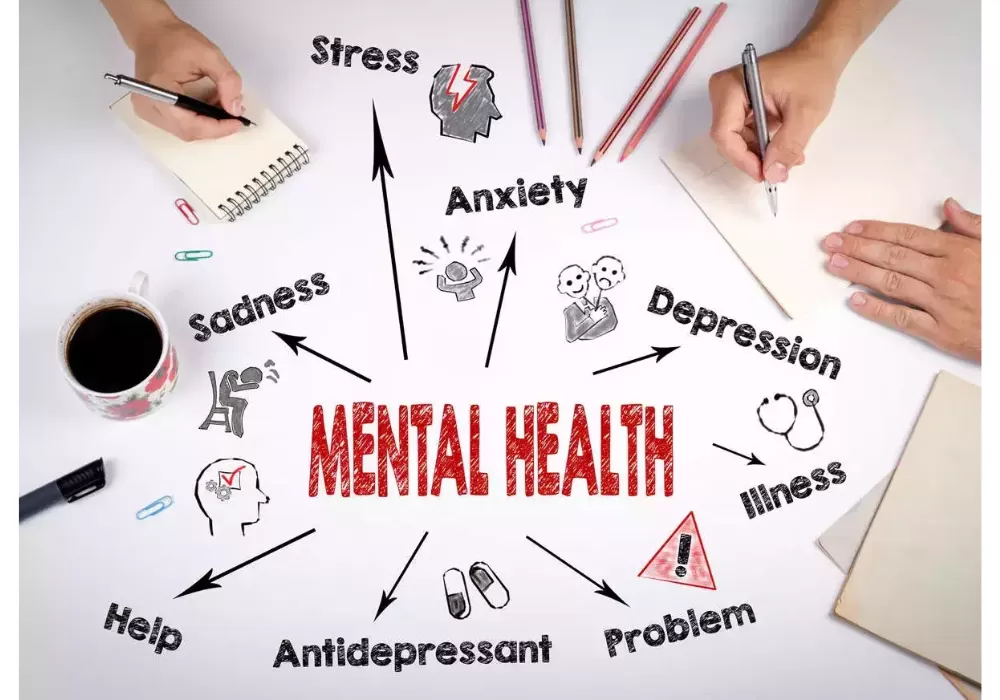
There are certain mental illnesses that torment human beings all over the world, some of which are:
Anxiety Disorders: Excessive fearfulness, worry, or restlessness.
Depression: Ongoing sadness, inattention, and hopelessness.
Stress and Burnout: Feeling emotionally exhausted due to one’s excessive pressure on oneself.
PTSD (Post-Traumatic Stress Disorder): A sickness caused by trauma or stress-inducing incidents.
Early identification of such warning signs as mood change, lethargy, or social withdrawal can allow people to seek professionals’ help early enough before things spiral out of control.
The Difficulty of Overcoming Stigma in Emotional
Stigma is probably the largest barrier to mental health treatment. Most are ashamed to discuss their issues or do not wish to judge them. Education, open discussion, and the understanding that asking for help is a sign of strength, not weakness, are needed to erase the stigma. The more therapy and counseling become a part of life as a daily normalcy, the less daunting it will be for people to make their emotional a priority.
Tips for Good Emotional
Keeping oneself mentally healthy requires daily routines and living well. The following are some effective tips:
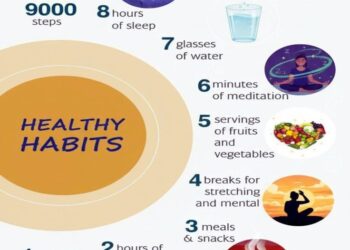
Practice Self-Care: Set aside time to unwind by engaging in an activity such as meditation, writing in a journal, or practicing yoga.
Stay Physically Active: Physical activity lowers stress chemicals and enhances mood.
Get Enough Sleep: Sleeping keeps emotional health intact.
Eat a Balanced Diet: Proper nutrition fuels body and brain function.
Build Strong Connections: Healthy relationships give emotional support.
Seek Professional Help: Therapists and counselors can help cope and recover.
Technology is a good thing. Mental health forums, meditation classes, and cybertherapy make assistance within reach like never before.
The Future
Mental illness has to be addressed as urgently as any physical illness. Governments, schools, workplaces, and citizens need to join hands and make compassionate systems, dispel darkness about it, and provide affordable emotional care.
Last Word
Mental health isn’t constantly being happy—it is being balanced, it is being content. Action, de-stigmatization, and maximizing what we have means we are able to build stronger minds, healthier lives, and happier communities.