
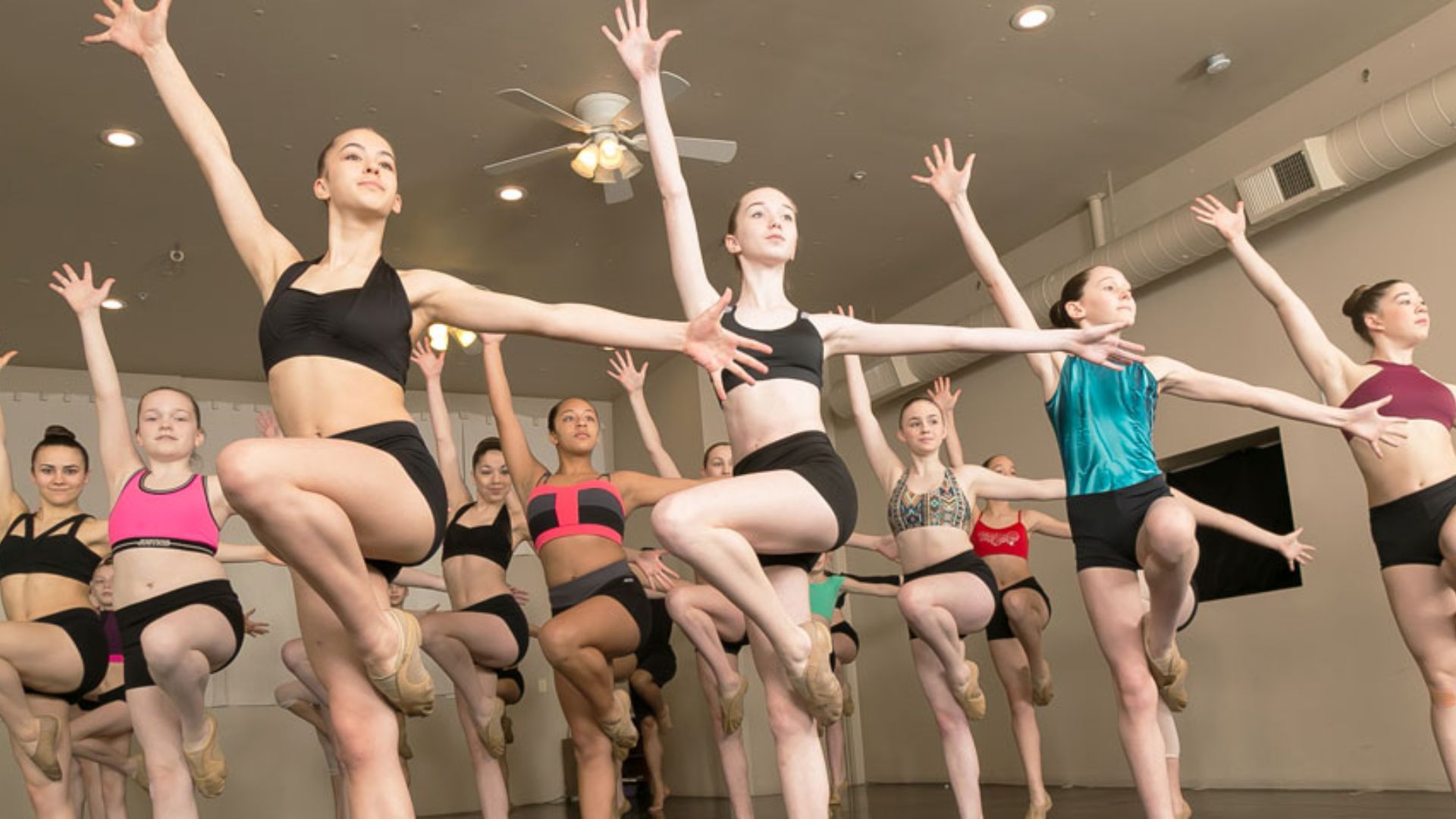

Fitness centers are now beginning to offer dancing classes as one of their workout options. Promotion through social media has also attracted many people to give them a try.
Unlike other types of exercise classes that often feel monotonous due to repetitive movements, dance classes invite you to move while enjoying the rhythm of music.
Interestingly, the music used often follows current popular song trends.
However, the question remains: are dance classes really effective? Let’s find out the answer in this article.
Dancing Has Been Proven to Help with Weight Loss
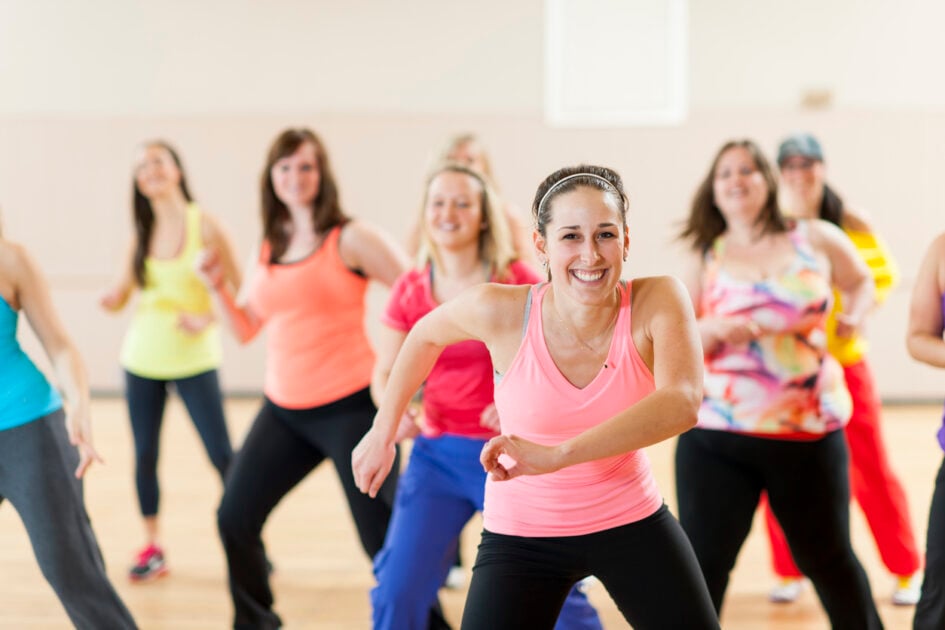
Dancing is not just an art form, but also a fun and dynamic workout. This activity can increase heart rate and metabolism, burn calories, and serve as an effective way to exercise without feeling exhausting.
On the other hand, dancing also helps reduce stress, which indirectly contributes to weight management by minimizing fat accumulation triggered by the hormone cortisol.
In addition, dancing is an effective way to train core muscles. The muscles responsible for maintaining posture. Choreographed movements strengthen these muscles without significantly increasing muscle mass or volume.
Moreover, dancing is also a great form of cardio exercise. The combination of step sequences and music rhythm naturally raises your heart rate. However, like any other form of exercise, to see real results, you need to practice regularly and consistently.
How Many Calories Are Burned by Dancing?

As with most types of exercise, the faster your movements while dancing, the more calories you burn. Your chances of losing weight increase.
As an illustration, the average number of calories burned in 30 minutes of dancing is as follows: ballet burns about 179 calories, ballroom dancing burns 118 calories, while hip-hop and swing dancing burn around 207 calories.
Meanwhile, salsa can burn 143 calories, country western line dancing burns 172 calories, and tap dancing burns 164 calories. In general, a 30-minute dance class can burn between 130 and 250 calories—comparable to jogging.
Beyond calorie burning, dance classes offer other equally important benefits. They can also be a fun social activity, allowing you to meet new people and build a community with others who share a love for dancing.
Types of Dance That Are Effective for Weight Loss
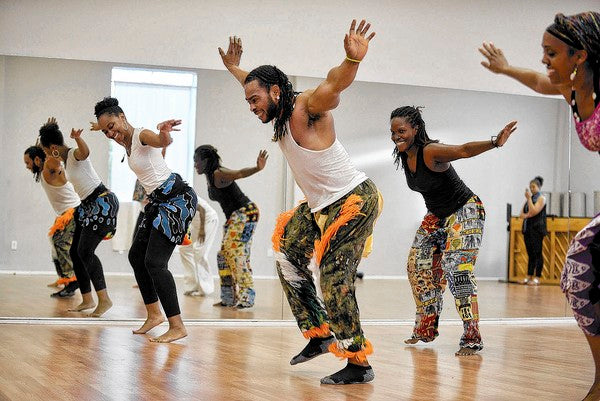
Zumba is a dance fitness program that combines Latin and international music. The movements alternate between fast and slow tempos, known as interval training, making it highly effective for burning calories while toning and strengthening muscles.
In addition to its physical benefits, Zumba can also reduce pain sensitivity and provide social benefits, as it is usually done in group classes. On average, Zumba can burn around 9.5 calories per minute, making it an excellent choice for those looking to lose weight.
Hip-hop dance is a high-intensity, high-impact workout. Hip-hop dance classes typically include a variety of movements, ranging from breakdancing to modern dance styles. This workout offers many advantages, including high calorie burn and the ability to strengthen muscles, especially in the legs and core.
In addition, hip-hop dance can improve agility and body coordination. However, it is important to note that due to repetitive and high-intensity movements, there is a higher risk of injury. Therefore, make sure to get enough rest between training sessions.
Pole dancing is also a good cardio workout option. During pole dance training, you support your body on a pole, spin, and create various poses. Practicing this type of dance can provide several benefits, such as increased flexibility (especially in the back and legs), improved upper body strength, and higher fat burning.
However, it is important to note that this type of dance is not suitable for everyone—especially if you have a history of injuries to the hands, wrists, shoulders, knees, or back, as pole dancing involves intense gripping and twisting movements. For safety reasons, make sure to practice under the guidance of a qualified instructor.