
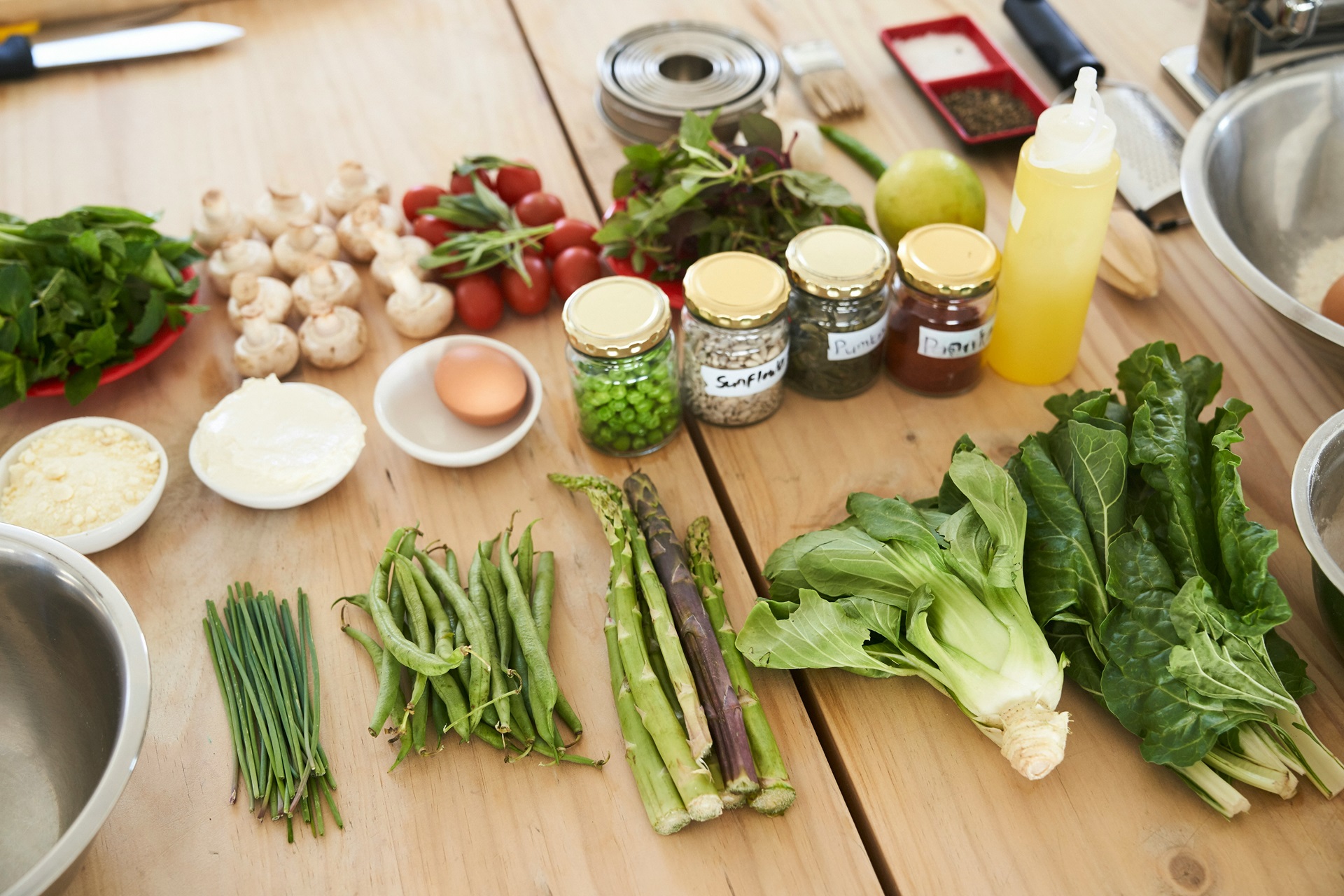
Healthy diets, who says they’re impossible? There are many diet programs available for you to try at home. You can adjust the diet according to your personal goals. However, it’s important to note that if you have certain health conditions, it’s best to follow a diet under the supervision of a doctor or nutritionist.

One of the most popular diet programs is the plant-based diet. As the name suggests, this diet emphasizes the consumption of foods derived from plants. Although it’s often seen as an extreme diet, this eating pattern is quite typical.
What is a plant-based diet?
A plant-based diet is an eating pattern that emphasizes foods derived from plants, such as fruits, nuts, and vegetables. That said, followers of this diet are not prohibited from consuming animal-based foods like meat, seafood, or eggs.
They simply prioritize plant-based foods as the main components of their daily meals. For beginners, switching to a new eating habit can be challenging, so it’s recommended to transition gradually.
Most people adopt this diet in stages—starting by adding more plant-based foods to their plate and reducing their intake of animal products.
3 types of plant-based diets you should know
Data shows that in North America, 39% of the population actively tries to consume more plant-based foods. Meanwhile, 5% are classified as vegetarians, and another 3% as vegans.
This indicates a growing interest in plant-based eating. It’s also worth noting that there are various types of diets. You need to understand each one to determine which one suits you best.
The first type is the vegetarian diet. Although often considered identical, vegetarian and plant-based diets are distinct, yet related. That’s because vegetarianism falls under the umbrella of plant-based diets, but not all people who eat plant-based foods are vegetarians.
A vegetarian is someone who avoids and does not consume any animal-based food sources. They typically avoid meat and poultry entirely.
The second type is the Mediterranean diet. This is adapted from the traditional eating patterns of people living in the Mediterranean region. It emphasizes limiting carbohydrate intake and reducing foods high in sugar.
Lastly, there’s the DASH diet (Dietary Approaches to Stop Hypertension). The goal of the DASH diet is to support cardiovascular health by avoiding foods high in saturated fat and fatty meats, while promoting the consumption of vegetables, fruits, and fish.
But if I only eat vegetables, how do I get enough protein?
One of the most common questions people ask before starting a plant-based diet is how to meet their protein needs. As we know, many protein sources come from meat, poultry, dairy, eggs, seafood, and fish—all of which are typically reduced in a plant-based diet.
The good news is, you can still meet your body’s protein requirements with plant-based foods. Here are some excellent protein sources you can incorporate into your meals: chickpeas, edamame, lentils, beans, green peas, spirulina, kelp, amaranth, quinoa, buckwheat, rye, rice, pasta, almonds, walnuts, cashews, peanut butter, flaxseeds, chia seeds, sesame seeds, sunflower seeds, tofu, tempeh, soy milk, soy yogurt, and many more.
Why a plant-based diet may lower your cancer risk
Many people turn to a plant-based diet to reduce their risk of cancer. Studies have shown that adopting a plant-based diet is one of the most effective ways to prevent cancer, even though no food can completely stop cancer from developing.
Why is that? Plants are rich in nutrients, including vitamins, minerals, phytochemicals, and antioxidants, which help maintain healthy cells. Healthy cells, in turn, support a strong immune system. A plant-based diet can also help maintain a healthy weight.
Maintaining a healthy weight is one of the most crucial steps you can take to lower your risk of cancer. In terms of cancer prevention, the only thing more important than a healthy weight is not smoking.
Ready to give a try? Start by adding one meatless meal a day and explore what works for your lifestyle.