
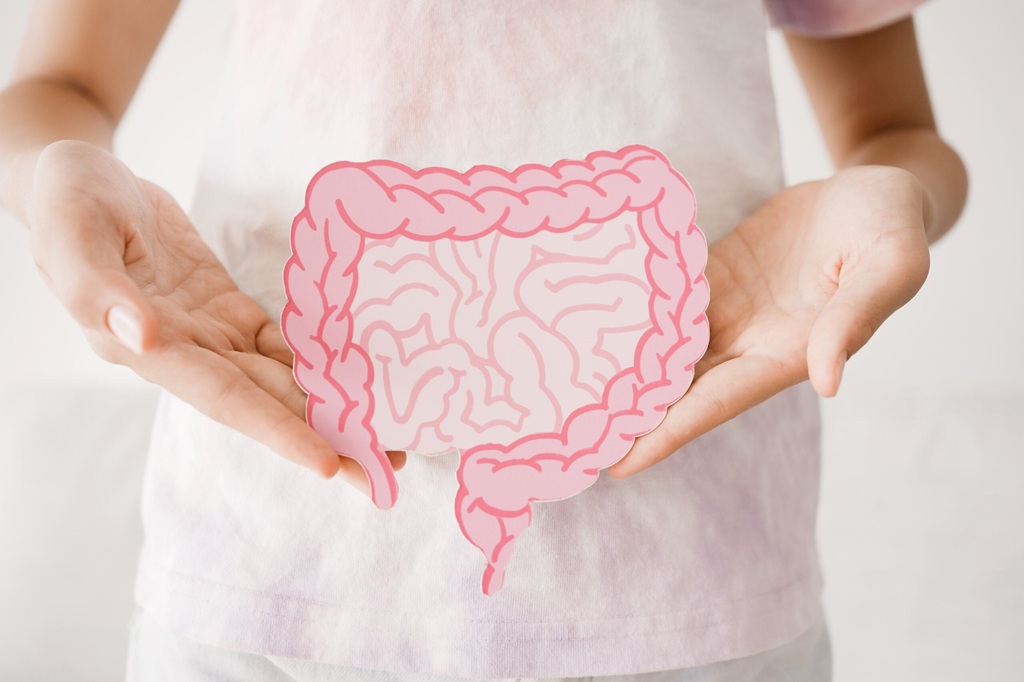
In recent years, gut health has gone from niche wellness trend to global health phenomenon—and in 2025, there’s no slowing down. From pro athletes to everyday health enthusiasts, more and more people are discovering that flawless digestion is just the beginning. At the forefront of this revolution is the gut microbiome: a thriving ecosystem of trillions of microorganisms that affect everything from immunity to mood.

The Microbiome: A Hidden Powerhouse
To begin with, the microbiome is not just about digestion. This sophisticated network of bacteria, fungi, and other microbes is also charged with managing the immune system, manufacturing essential vitamins, and even influencing mental clarity. In fact, studies now show that an imbalanced gut can contribute to a wide range of issues—from chronic inflammation to anxiety and brain fog.
Moreover, researchers have discovered that the gut and brain are constantly communicating through the socalled gut-brain axis. This connection emphasizes how a healthy gut can help promote emotional resilience, sleep, and brain function—therefore, gut health is the cornerstone of overall health.
Why Gut Health Matters More Than Ever in 2025
As lifestyles evolve, so do the dangers to our digestive health. Processed diets, environmental pollutants, and chronic stress continue to ravage microbiome balance. So maintaining gut health is no longer an option—it’s a requirement. Fortunately, public interest has surged, and with it, innovation in microbiome-friendly products and personalized gut medicine.
For example, precision probiotics, fiber-rich superfoods, and gut-focused diagnostics are becoming more available, enabling individuals to proactively manage their inner worlds. At the same time, digital health firms now market microbiome testing kits that provide data-driven dietary recommendations—bridging the gap between science and everyday choice.
Nourishing Your Microbiome Daily
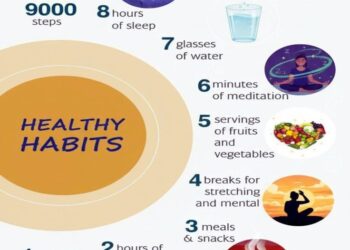
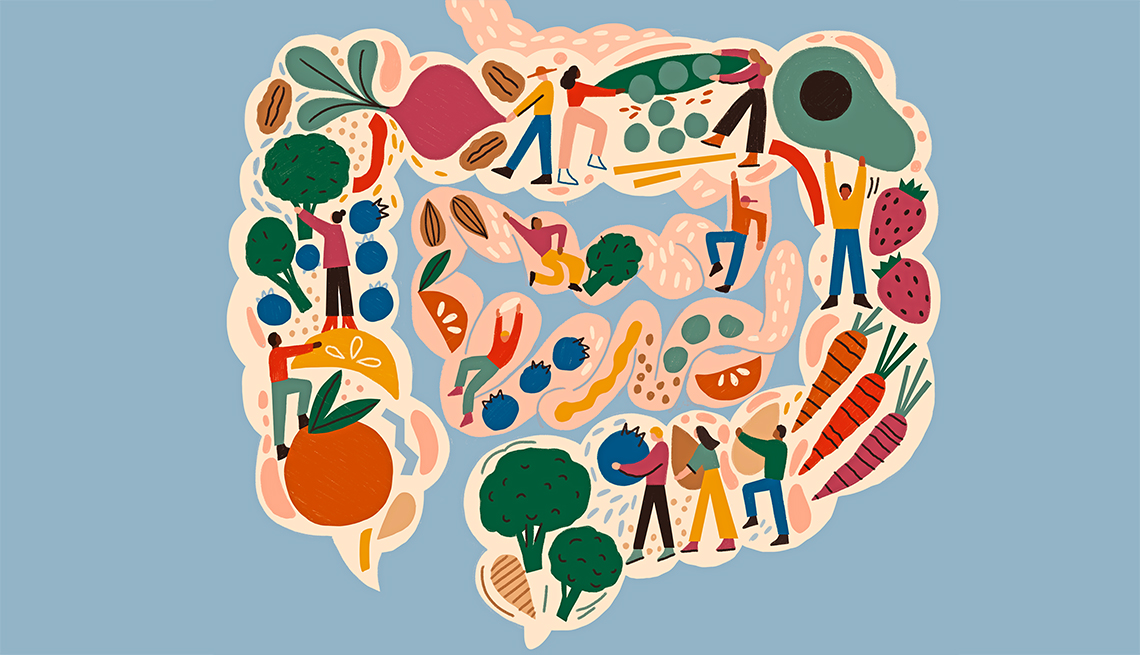
Embracing a gut-friendly lifestyle does not require drastic overhauls. Gradual, consistent change can yield long-term benefit. These include:
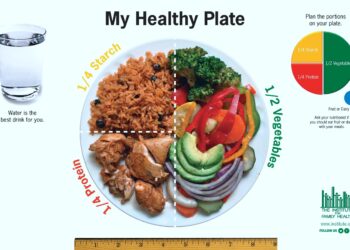
- Eating a variety of plant foods to diversify gut flora
- Limiting refined sugars and artificial additives that feed hostile bacteria
- Adding fermented foods such as kimchi, kefir, and sauerkraut
- Exercising to promote digestive regularity and reduce stress
- Sleeping well, as rest has a direct effect on microbial balance
Each of these practices cultivates a healthy microbiome, which in turn promotes resilience to disease and enhances day-to-day vitality.
In brief, the reign of gut health is not a passing trend but a revolution in science. As the microbiome’s impact continues to unfold, it’s clear that taking care of your gut is an investment in your overall well-being. New product, new knowledge, and a greater commitment to functional wellness make 2025 a new chapter in how we nourish ourselves—from the gut outward.