

Cardiovascular disease (CVD) remains the world’s number one killer, responsible for millions of deaths each year. Yet, many people still overlook how preventable it actually is.

While heart attacks and strokes may seem like sudden events, they often stem from long-term habits and underlying conditions.
Whether you’re in your 30s or approaching retirement, making small changes today can dramatically lower your risk.
Here’s what you need to know about cardiovascular disease, and six evidence-based ways to prevent it.
Components of the Cardiovascular System
The cardiovascular system consists of the heart, blood vessels, and blood. The primary function of this system is to transport nutrients and oxygen-rich blood to the rest of the body, as well as bring deoxygenated blood back to the lungs.
According to the function of the cardiovascular system, which is responsible for sending blood to various parts of the body, the following are the organs and tissues that make up this system:
- Heart: A muscular pump that pushes blood throughout the body.
- Closed system of blood vessels. These vessels include:
- Arteries: Vessels that carry blood away from the heart.
- Veins: Vessels that carry blood back to the heart.
- Capillaries: Small vessels that branch off from arteries to carry blood throughout the body’s tissues.
There are two circulatory systems in the body. The first is the systemic circulatory system. This is the central circulatory system that transports blood to organs, tissues, and cells throughout the body.
The second is the pulmonary circulatory system. The circulatory system moves blood between the heart and lungs. This is where oxygen enters the blood and carbon dioxide leaves the blood.
An unhealthy lifestyle, such as high blood pressure, high blood sugar, high cholesterol, lack of exercise, an unhealthy diet, smoking, and excessive stress generally cause cardiovascular disease. To prevent this disease, you need to manage some of the cardiovascular disease risk factors mentioned above.
How To Prevent Cardiovascular Disease
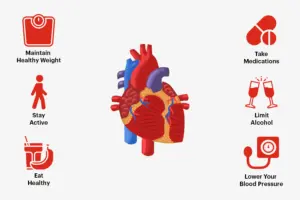
There are several ways to minimize the risk of this potentially fatal disease, including:
Quit Smoking & Avoid Secondhand Smoke
One of the most well-known – and still most important – steps is quitting smoking. According to Johns Hopkins Medicine, cigarettes and tobacco products can increase the risk of all types of chronic diseases, including cardiovascular disease.
To prevent these health problems, you need to quit smoking and minimize your exposure to secondhand smoke as much as possible.
According to the European Society of Cardiology, smokers who are having difficulty quitting should seek help from a doctor or therapist. Experts can help with counseling and nicotine replacement therapy medications.
Adopt a Heart-Healthy Diet
An unhealthy diet can trigger high blood sugar, high cholesterol, high blood pressure, or obesity, which can lead to cardiovascular disease.
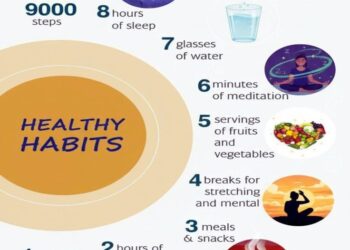
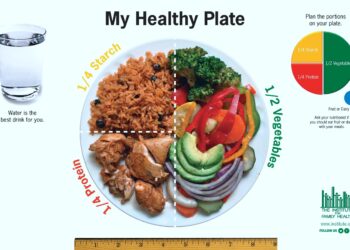
Therefore, adopt a healthy diet by eating at least three servings of fruits and vegetables per day, limiting saturated fat intake to less than 10 percent of total daily calories, minimizing added sugar and wheat-based foods, and avoiding all types of fried foods and sugary drinks.
Red meat consumption should also be limited to a maximum of two to three servings per week. Processed meats, including sausages, burgers, salami, pepperoni, and corned beef, should be eliminated.
Stay Active with Regular Exercise
If you already have risk factors for cardiovascular disease, you need to change your lifestyle to be more active. Additionally, ensure you exercise regularly for at least 30 minutes, five times a week, or almost every day.
Choose a type of exercise you enjoy or work with a trusted trainer to make your goals more measurable. Even brisk walking counts. The key is consistency.
Maintain a Healthy Weight
A BMI between 18.5 and 24.9 is generally considered ideal, though muscle mass and other factors should also be considered.
If your weight is above normal, you should consult a doctor to lose weight and achieve your ideal body mass index. Doctors typically recommend a strict, healthy diet and increased physical activity through specific exercises.
Monitor Blood Pressure, Cholesterol, and Blood Sugar
Silent threats like hypertension or prediabetes can go unnoticed for years.
If you have health problems such as high blood pressure, cholesterol, or high blood sugar, make sure to manage these conditions to prevent them from worsening. Make sure to have regular health check-ups and regularly take your doctor’s prescribed medications.
Manage Stress Effectively
Another equally important way to prevent cardiovascular disease is to manage stress. Stress can increase certain hormones and chronic inflammation in the body. Both can contribute to an increased risk of heart disease.
Try relaxation techniques like meditation, yoga, or even deep breathing exercises.
Cardiovascular disease doesn’t develop overnight, but your efforts to prevent it can start today. By making lifestyle changes, staying aware of your health markers, and getting professional support when needed, you can protect your heart and improve your overall quality of life.
Your heart works hard for you – return the favor with smart, preventive action.
Meta description:
Learn 6 proven ways to prevent cardiovascular disease, from healthy eating and exercise to managing stress and quitting smoking.