

In recent years, biohacking has become a major trend. For many, the term refers to ways of enhancing human capabilities—from improving brain function to accelerating weight loss.
Interestingly, biohacking has also become popular in the world of football. For some athletes, it’s the price they pay to stay at the top of their game and extend their careers. However, today, biohacking practices are no longer exclusive to athletes—ordinary individuals have also begun adopting them.
In general, biohacking refers to anything done to optimize health, performance, quality of life, and longevity. More specifically, it’s about experimentation—especially through adjustments in diet, exercise routines, and lifestyle habits that can alter one’s physiology. As a result, biohackers often feel better, look better, and may even live longer.
Biohacking practices vary widely—from simple lifestyle changes to advanced technological interventions. Below are some common examples:
Intermittent Fasting to Activate Autophagy
Autophagy is a biological process that maintains cellular health. During this process, cells break down and recycle their components. Research has shown that autophagy may help defend against diseases such as cancer, heart disease, infections, and neurodegenerative disorders like Parkinson’s and Alzheimer’s.
Lifestyle factors such as exercise, specific dietary choices, calorie restriction, and fasting-mimicking diets can all trigger autophagy—potentially improving brain health, cognitive function, and longevity.
Building Metabolic Resilience Through Exercise
Biohacking allows individuals to tailor their exercise routines to their fitness level and preferences, ensuring long-term consistency. Smartwatches and fitness trackers are widely used in biohacking to monitor physical activity, heart rate, sleep patterns, and more.
It’s no secret that regular exercise improves heart health, boosts mood and energy levels, and helps maintain a healthy weight. Physical activity also protects the body from chronic diseases linked to systemic inflammation.
Optimizing Sleep Quality
For optimal health, the body requires high-quality sleep. Good sleep contributes to physical repair, stress management, growth, productivity, and cognitive performance.
While there are various methods to improve sleep quality, biohacking takes it a step further. Wearable devices like Whoop, Oura Ring, and Fitbit can track detailed sleep data and provide insights into sleep duration and quality.
These insights can then be used to adjust daily routines, helping improve overall well-being and mental performance.
Early Disease Detection

Early detection is the foundation of proactive medicine—it identifies potential health problems before they become serious. For instance, discovering a small tumor early makes treatment much easier than when the disease has already spread.
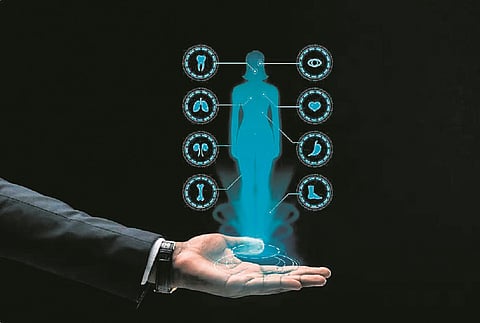
Whole-body MRI scans represent a major leap in medical imaging technology. Unlike traditional diagnostic scans that focus on a specific area, a full-body MRI provides a comprehensive overview of your internal organs.
Using powerful magnets and radio waves, the scan produces highly detailed images of organs and tissues. The true power of MRI lies in its ability to detect abnormalities that may not yet cause symptoms but could develop into serious health issues if left untreated.
Physical and Genetic Therapies
Advanced technological interventions in biohacking vary widely. Examples include Red Light Therapy (RLT) for cellular regeneration, Hyperbaric Oxygen Therapy (HBOT) for enhanced healing, and cold exposure therapy to reduce inflammation and promote recovery.
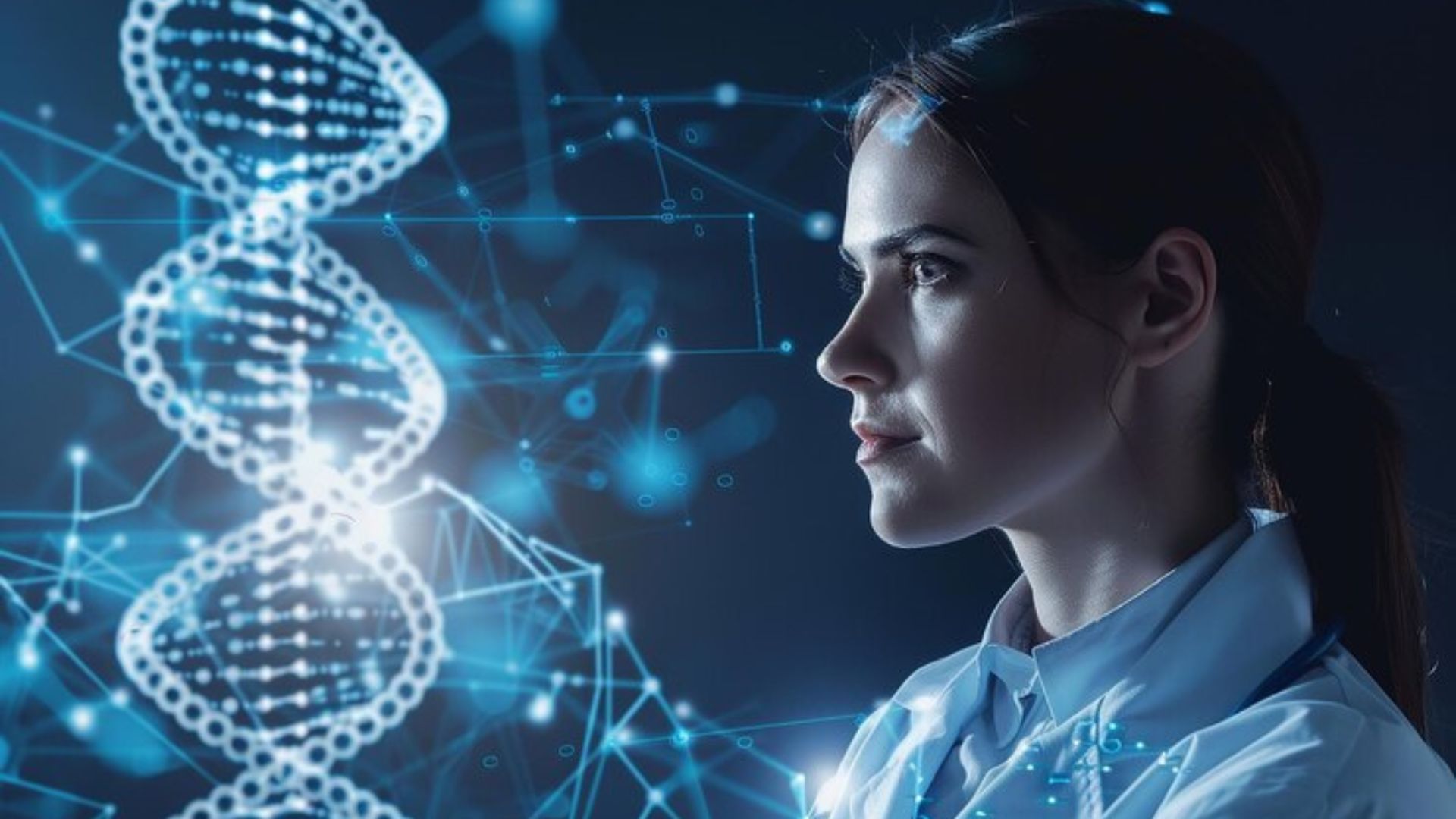
In more extreme and controlled environments, some biohackers even experiment with genetic modification at the cellular level to push the limits of human potential.