
Running has become a trending sport, especially among Gen Z. If you look around, it seems like almost every week there’s a marathon event being held. Its simplicity might be one of the main reasons why so many people enjoy this sport.

All you need is a pair of shoes—you can even do it barefoot—and just start running. You can run anywhere and anytime. What you really need is the determination to keep moving your legs instead of lying down on the floor.
Moreover, running knows no boundaries. It doesn’t matter if you are old, young, rich, poor, skinny, or overweight. Outside of competitions, running doesn’t focus on speed either. You can still gain its benefits even if you only run short distances.
Physically, running burns an average of 100 calories per mile. So, it’s no surprise that many people run to lose or maintain their weight. When done regularly, running also helps reduce the risk of blood clots and heart attacks.
With consistent practice, the benefits of running become visible in your body, such as a more muscular posture that can boost self-confidence.
“Consistency. Small but steady steps will make a big difference, not only in improving your health but also in enhancing your running performance,” says Alex McDonald, a family and sports medicine physician at Kaiser Permanente in California and a former professional triathlete, quoting Runner’s World.
Beyond physical benefits, running is also often used as a way to help treat clinical depression and other psychological disorders. Many people turn to it as an outlet to relieve stress. So, if running has become your routine, it’s important to create healthy habits that support your performance.
Get Enough Sleep

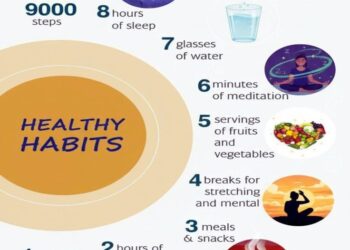
Sleeping five to eight hours a day is the ideal amount for building healthy habits. While you sleep, the pituitary gland releases a compound known as growth hormone. This compound helps muscle recovery, allowing the body to adapt better to training and lowering the risk of injury.
The American Academy of Sleep Medicine also states that sleeping seven to nine hours every night can improve mood, cognitive function, and support heart and brain health. “There are so many metabolic processes that occur during sleep, I don’t think we even fully understand the vast benefits,” McDonald says.
Meanwhile, Mireille Siné, a certified running coach, emphasizes the importance of creating a calming bedtime routine. She recommends reading a book, listening to music, or doing a few yoga poses before going to bed.
Strength Training

While many people enjoy running, fewer are interested in strength training. However, light muscle training helps lower the risk of injuries. It is recommended to include at least two strength training sessions per week. Research also shows that strength training can improve cardiovascular health and reduce the risk of premature death.
In addition to building strength, you also need to train flexibility. Spend a few minutes stretching, especially targeting your quadriceps, hamstrings, adductors, glutes, and calves. This way, your body becomes not only stronger but also more flexible, allowing for a greater range of motion.
Learn to Relax

Many professional runners rely heavily on meditation, but jumping straight from zero to thirty minutes of quiet contemplation can feel intimidating, even impossible. That’s why Kuypers recommends what he calls “micro-mindfulness moments.” Take a few short breaks throughout the day to remove distractions and focus on what’s happening around you.
Meditation and mindfulness can strengthen your mind-body connection, which improves performance. For example, a program that included two 30-minute mindfulness sessions per week improved treadmill test results after five weeks, according to a study published in Neural Plasticity.
Research also shows that meditation and mindfulness practices can enhance overall quality of life. Meditation can also help ease certain conditions such as anxiety, chronic pain, and even substance abuse disorders.