
Trying to eat healthy can feel overwhelming. One day, carbs are the enemy. The next, you can’t live without them. Scroll through social media and everyone’s pushing some new miracle diet. Honestly, it’s a lot of noise. At its core, a balanced diet isn’t about banning your favorite foods or following strict rules. It’s about building eating habits that keep your body strong for the long haul.

So, What Does “Balanced Diet” Actually Mean?
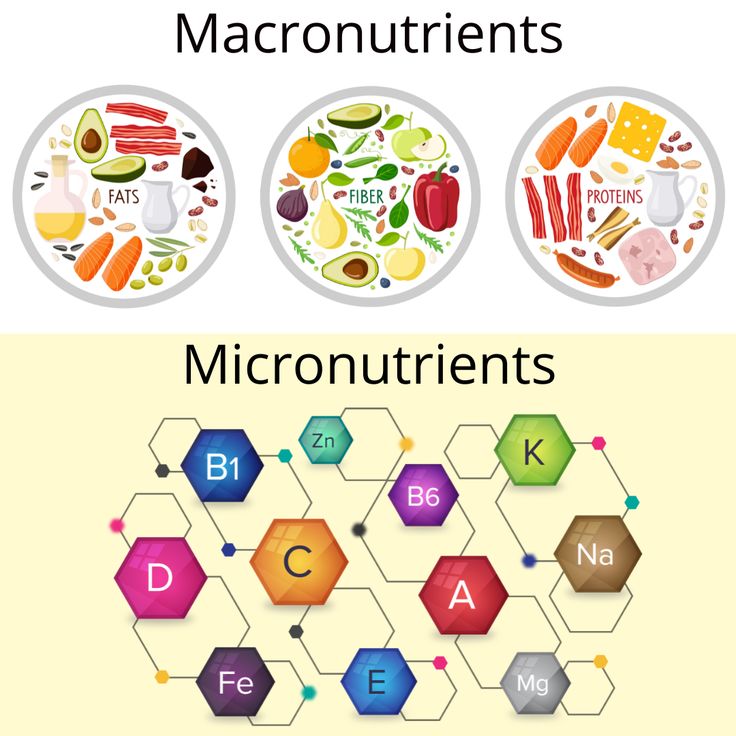
It’s pretty simple. You need a mix of macronutrients (carbs, protein, healthy fats) and micronutrients (vitamins and minerals). Each one does something important.
Carbs? They’re your main energy source, especially for your brain. Protein repairs muscles and keeps your body tissues in good shape. Healthy fats? Your brain and hormones need them to stay on track. Vitamins and minerals help your bones, skin, and immune system do their jobs. Forget cutting out entire food groups. The trick is to work them all in, just in the right amounts.
How to Build a Balanced Plate
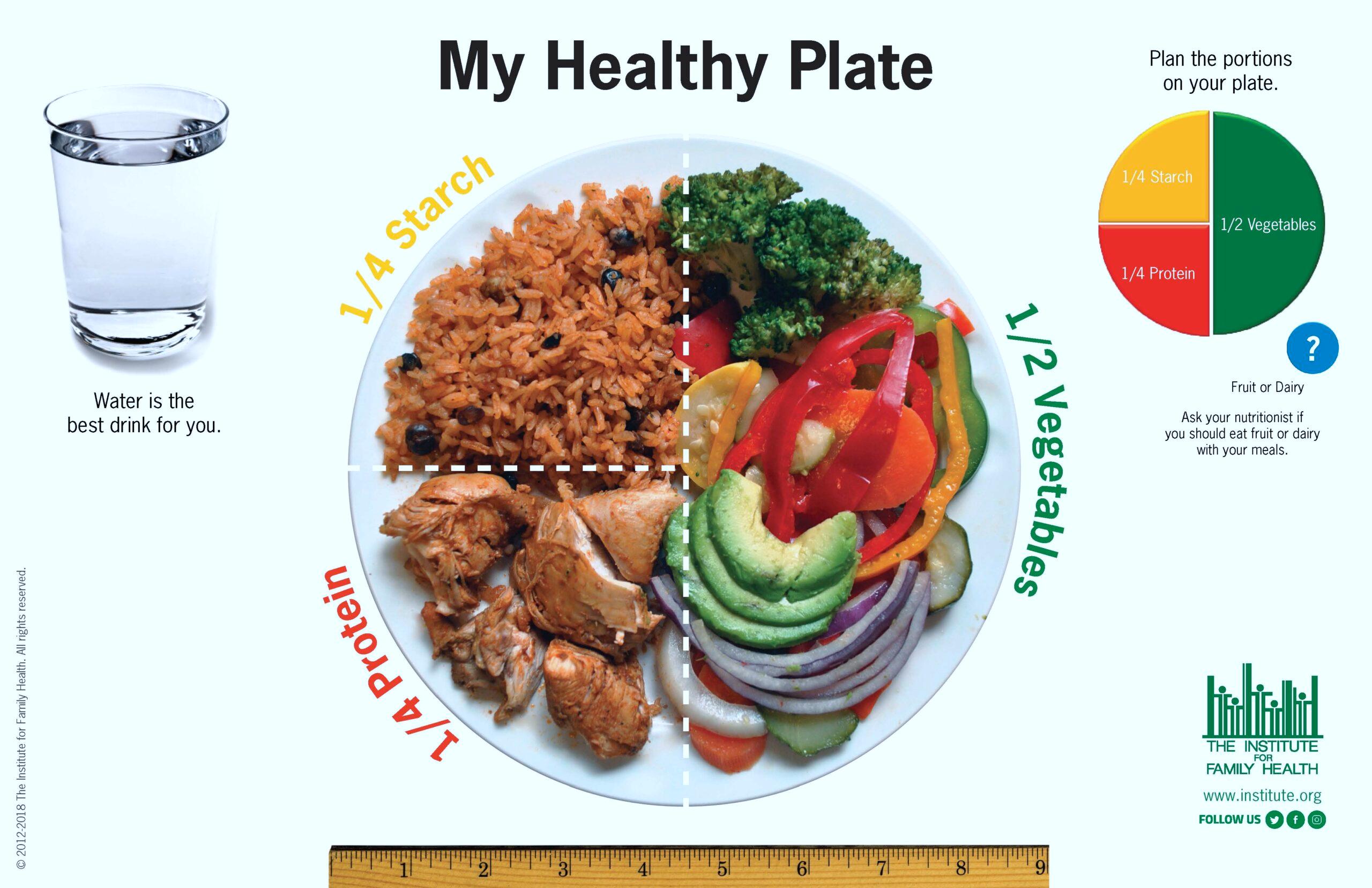
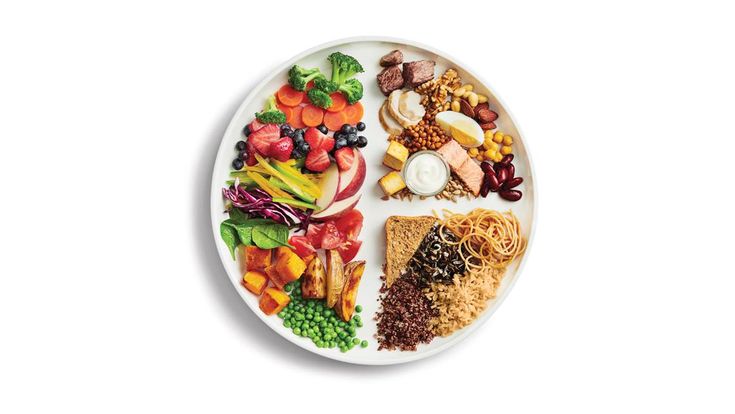
If you want a no-fuss way to eat better, try the “plate method.” Picture your plate: half covered with veggies and fruit, a quarter with lean proteins like chicken, fish, eggs, tofu, or beans, and the last quarter with whole grains—think brown rice, quinoa, or whole wheat bread. Add a little healthy fat, like some avocado, a handful of nuts, or a drizzle of olive oil.
This approach is easy to remember and keeps things interesting. You don’t have to obsess over calories or count grams. Plus, it naturally gives you a mix of nutrients.
Go for Whole Foods When You Can
Whole foods are foods that look pretty much like they did when they grew. Fresh veggies, fruit, beans, whole grains they’re packed with fiber, antioxidants, and nutrients you won’t find in most processed stuff.
Look, you don’t have to swear off all processed foods forever. Life’s too short. But if your meals are mostly from boxes and bags, you’re probably missing out on important nutrients and getting too much sugar, salt, and unhealthy fat. That can lead to heart disease, obesity, and diabetes. Small swaps make a difference. Grab water instead of soda, or reach for whole grain bread instead of white. Over time, those little choices add up.
Don’t Skip Hydration
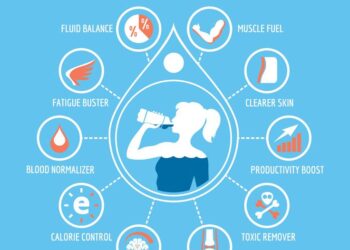
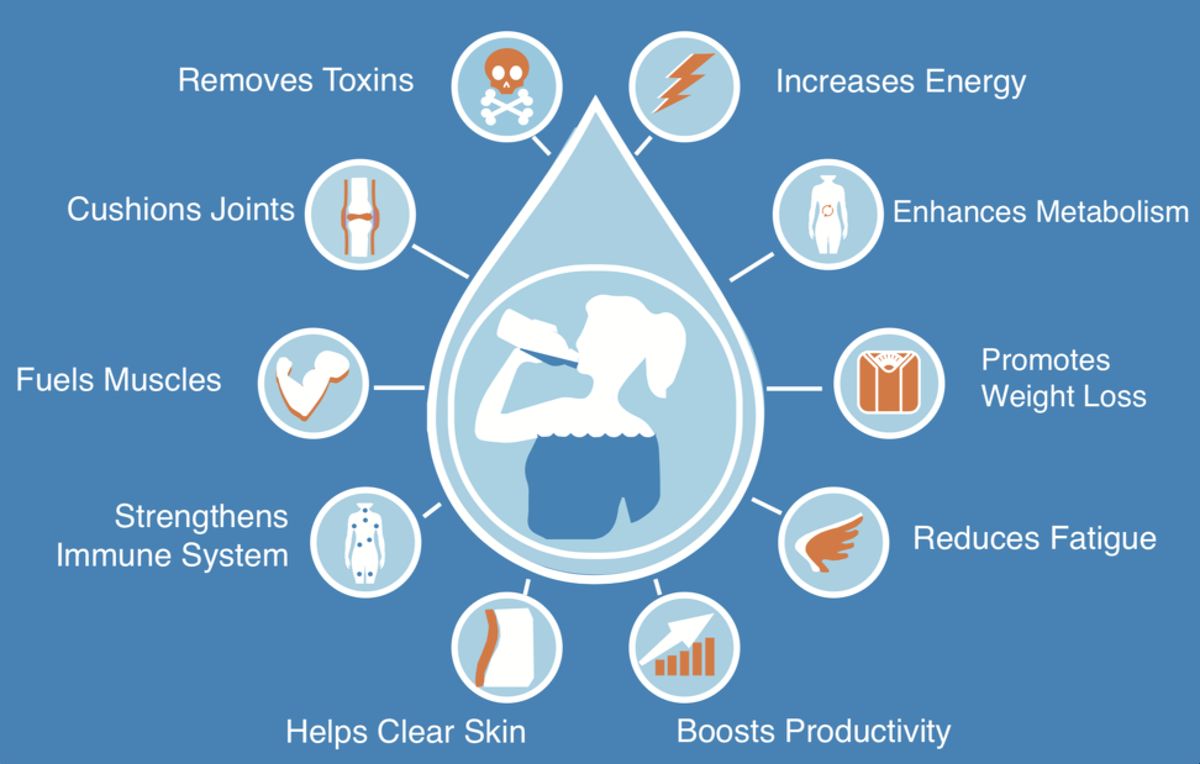
Most people don’t realize how much water matters. It keeps your digestion running smoothly, helps you regulate temperature, and moves nutrients around your body. Drink water throughout the day and you’ll feel more energized. Carrying a water bottle helps you remember.
Aim for Balance, Not Perfection
Here’s the real secret: you don’t have to eat perfectly. No one does. Food is about more than just nutrients it’s about culture, pleasure, and spending time with people you care about.
What counts is what you do most of the time. If your usual meals are balanced and packed with nutrients, your body will notice. And yes, have that occasional dessert or slice of pizza. That’s just part of living.
Final Thoughts
A balanced diet isn’t a fad it’s the groundwork for feeling your best. By eating a variety of whole foods, paying attention to portions, and staying hydrated, you set yourself up for better energy, focus, and health.
Healthy eating doesn’t have to be complicated. Start with small changes, stick with them, and remember balance is something you build, not something you nail on day one.