

Managing chronic diseases requires long-term commitment — both from patients and healthcare providers. According to the CDC, nearly 90% of annual national healthcare spending is allocated to patients with chronic physical and mental health conditions.
However, chronic care isn’t just about medication. It involves education, coordinated care, and preventive strategies that require patients to make lifestyle and dietary changes while adhering to medication, tests, and regular screenings.
The rise of telemedicine has greatly improved patient outcomes and expanded access to healthcare. Using digital technology to provide remote medical services, telemedicine increases accessibility — particularly during crises such as the COVID-19 pandemic.
What Telemedicine Brings to Chronic Care
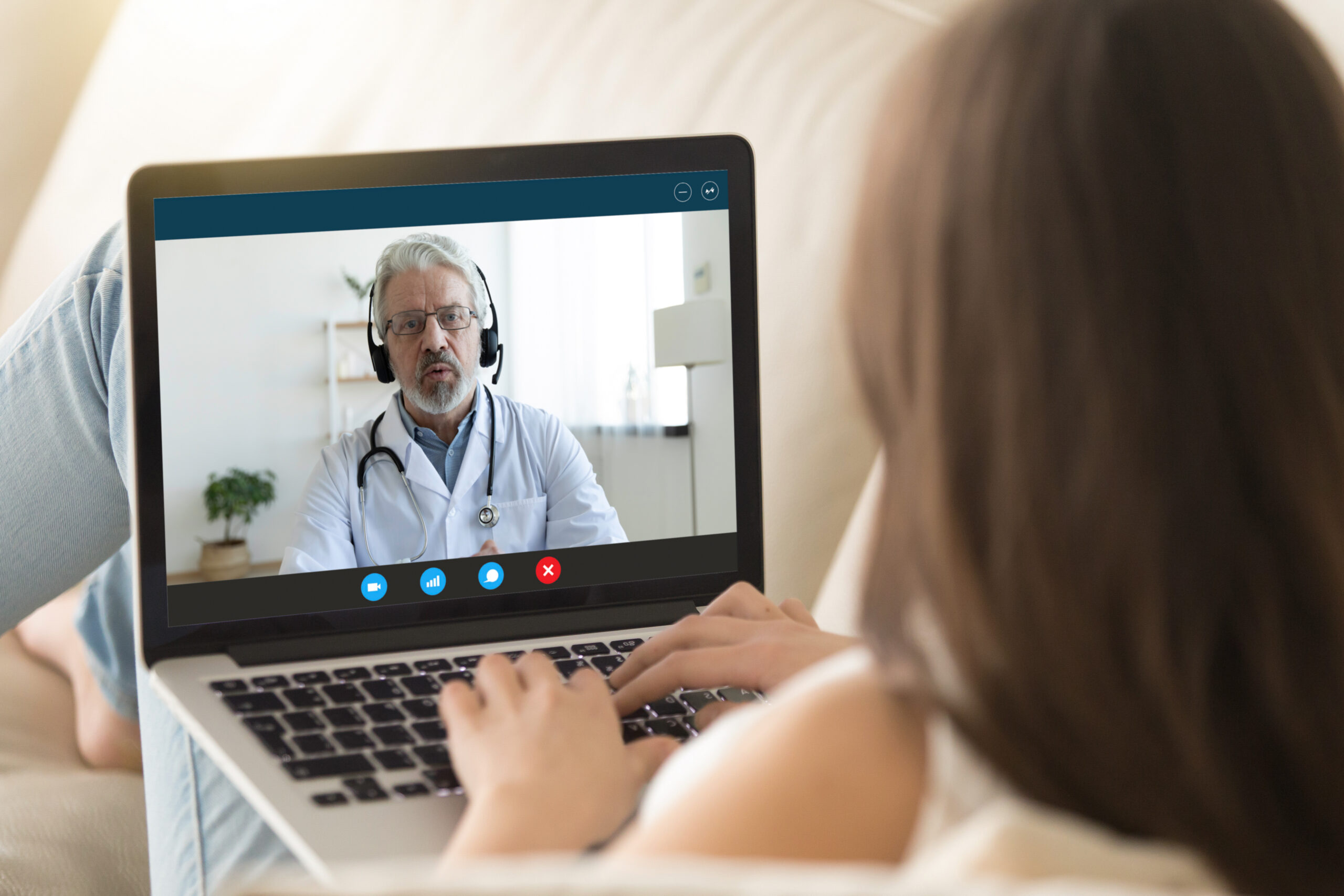
Many chronic diseases remain poorly controlled — with only about 50% of patients adhering to prescribed treatments. Less than half of those with hypertension achieve target blood pressure levels, and medication noncompliance costs the healthcare system over $100 billion annually.
Even highly effective evidence-based therapies like statins show only 50% adherence among cardiovascular patients, while up to 20% discontinue clopidogrel within six months after coronary stent placement.
Telemedicine has proven to be a transformative tool in chronic disease management, especially for diabetes care. Remote interventions have been shown to significantly improve patient outcomes and reduce healthcare costs.
For instance, telehealth platforms have enhanced diabetes management by improving patient engagement and key clinical metrics such as HbA1c levels. Additionally, telehealth services for diabetic foot disease (DFD) help overcome geographical barriers, provide specialized care, and boost accessibility and patient satisfaction.
By bridging distance and increasing engagement, telemedicine platforms have the potential to transform global healthcare delivery — ensuring equitable, patient-centered solutions.
Benefits of Telemedicine for Chronic Disease Management

The COVID-19 pandemic accelerated the adoption of telemedicine, particularly in long-term care and self-management for chronic disease patients.
Telemedicine has demonstrated positive impacts on managing diabetes, hypertension, and rheumatoid arthritis, especially when teleconsultations and remote monitoring are integrated into care plans.
For diabetes patients, studies show that 12-month telemedicine interventions are most effective. For hypertension, telemedicine helps lower systolic blood pressure, while for rheumatoid arthritis, it reduces negative emotions and improves medication adherence.
The Community Preventive Services Task Force (CPSTF) also recommends telehealth interventions to reduce risk factors and manage chronic conditions. CPSTF findings show telehealth improves medication adherence, outpatient follow-ups, and self-management goals — including better blood pressure control and healthier diets (more fruits and vegetables, lower sodium intake).
Effective telehealth strategies include:
- Text messages with tailored education and medication reminders.
- Web-based and mobile apps for goal setting and alerts.
- Interactive tools allowing patients to send health data directly to their providers.
- Telehealth can now be delivered in several ways:
- Live video conferencing (real-time audiovisual connections between patients and providers).
- Store-and-forward communication (e.g., pharmacists sending recommendations via secure platforms).
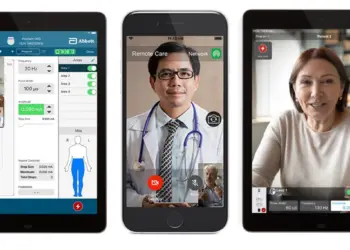
- Remote patient monitoring (RPM) — patients track blood pressure or glucose levels and transmit results to clinicians.
Real-World Applications and Success Stories
Implementing telemedicine requires physicians, support staff, and healthcare organizations to adapt — ensuring high-quality, cost-efficient care. Importantly, telemedicine is not meant to replace traditional in-person care, but to complement and enhance it.
Telehealth has become especially common in endocrinology, with diabetes management showing the highest adoption rates, according to Doximity reports. For patients in rural or underserved areas, telemedicine allows healthcare providers to monitor diabetic patients more frequently.
Before the pandemic, telemedicine was already being used in gastroenterology to manage chronic conditions such as liver disease and inflammatory bowel disease (IBD), which don’t require frequent physical exams. Today, it’s also used to treat ulcerative colitis, Crohn’s disease, irritable bowel syndrome (IBS), and colorectal cancer.
By providing a window into patients’ daily lives, telemedicine helps reduce treatment noncompliance and strengthens the connection between doctors and patients — all while promoting better long-term outcomes.