

Women’s reproductive health plays a crucial role in overall well-being, fertility, and hormonal balance. While it might sound complicated, keeping your reproductive system healthy can start with simple daily habits – from eating well to managing stress and maintaining proper hygiene.

The female reproductive system includes the vagina, cervix, uterus, fallopian tubes, ovaries, and clitoris – each playing a critical role in menstruation, fertility, and sexual health.
If there is a problem with these organs, the female reproductive system can also be affected. This can lead to sexual dysfunction and even death, making it difficult to get pregnant.

Here’s a practical guide to help every woman care for her reproductive health—naturally and effectively.
- Practice Proper Intimate Hygiene
The correct way to clean the vagina is to wash it from front to back (from the vagina to the anus), especially after urinating and defecating. If cleaned incorrectly, germs from the anus can be carried to the vagina. This can cause vaginal infection.
Additionally, it’s recommended that you avoid feminine hygiene products containing alcohol, fragrances, or antiseptics. These types of soaps can irritate and kill normal vaginal bacteria.
- Eat Foods That Support Hormonal Balance
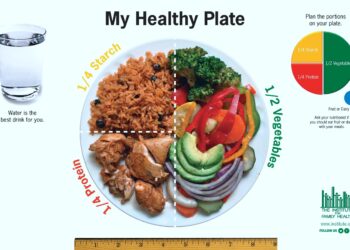
Consume healthy and balanced nutritious foods so that the body gets the energy and nutrients needed to support the health of the reproductive organs.
Some nutritional intakes that are important for women’s reproductive health are protein, healthy fats, antioxidants, fiber, as well as vitamins and minerals, such as selenium, folate, iron, and zinc.
These nutrients can be obtained from fruits, vegetables, nuts, milk, eggs, meat, and fish.
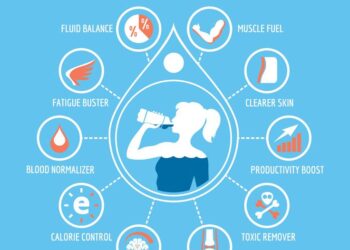
In addition, avoid consuming fast food, and ensure you’re hydrated by drinking about eight glasses of water per day. If you enjoy caffeine, limit it to no more than 2 cups of coffee per day.
- Reduce Stress to Regulate Hormones
Excessive stress can lead to depression, anxiety disorders, and even infertility. Therefore, it is essential to reduce stress to prevent further impacts on reproductive health.
If you often feel stressed, try doing relaxation or things that make you happy, such as going for a walk, exercising, getting a massage, or doing yoga.
- Maintain a Healthy Weight
Maintain an ideal body mass index (BMI). Being overweight (obese) or underweight can interfere with ovulation and the production of hormones that regulate a woman’s fertility.
- Add Olive Oil and Anti-Inflammatory Foods
Olive oil is apparently effective in maintaining the health of the female reproductive system. Consuming foods with olive oil can actually reduce the risk of PCOS, a disorder that can make it difficult for a woman to conceive. Polycystic ovarian syndrome (PCOS) is a hormonal disorder that can affect women of childbearing age.
In addition to olive oil, it is also recommended to consume other foods, such as tomatoes and fish, such as tuna or mackerel.
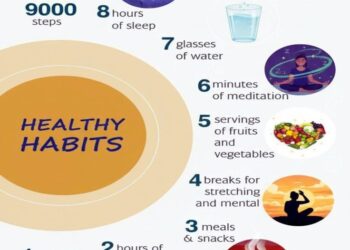
- Build Healthy Daily Habits
Practicing daily habits such as those below also has a significant impact on women’s reproductive health, namely:
- Stop smoking because smoking can reduce the number and quality of egg cells, as well as disrupt uterine health.
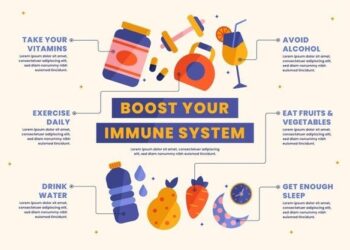
- Avoid alcoholic beverages, which can increase the risk of disorders of ovulation.
- Get enough rest by sleeping for 7-9 hours every night.
- Avoid using medicines and supplements, including herbal pills, without a doctor’s recommendation.
- Use contraception to prevent unplanned pregnancy.
- Avoid risky sexual behavior, namely sex without a condom and frequently changing sexual partners, to prevent sexually transmitted diseases.
Maintaining women’s reproductive health not only helps prevent diseases in that area but also improves fertility and increases the chances of getting pregnant.
Caring for your reproductive health today can help prevent complications tomorrow. If you’re unsure where to start, speak with your gynecologist about personalized tips.
Meta description:
Want to boost your reproductive health? From hygiene to nutrition and stress control, here are daily tips every woman should know to stay healthy and fertile.