
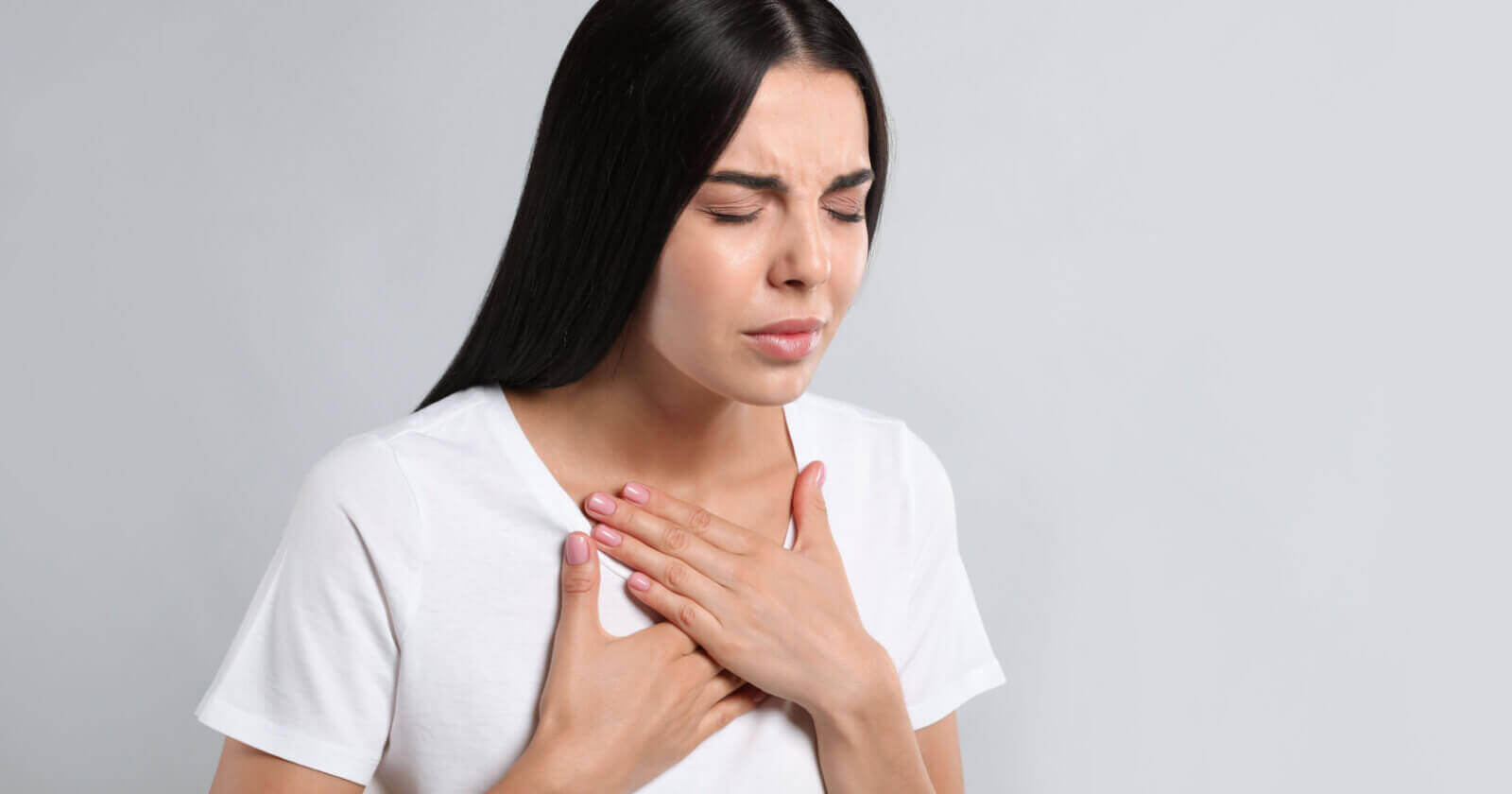
You may feel shortness of breath when your lungs can’t get enough oxygen – breathing feels difficult, uncomfortable, or rapid. When that happens, your lungs, diaphragm, and muscles must work harder to breathe.

Shortness of breath can occur anytime and anywhere, especially if you have conditions or factors that cause it.
It is best not to take shortness of breath lightly, because if not treated properly, it can be dangerous and even risk causing death.
So, what causes sudden shortness of breath? Learn the explanation in the following article.
What is shortness of breath?
Breathing is the act of taking in oxygen from the outside air through the mouth or nose. The oxygen then reaches the lungs, where it is pumped throughout the body to support various bodily functions. Any remaining oxygen is released as carbon dioxide (CO2).
Shortness of breath, or in medical terms called dyspnea, is a natural response when the body needs more oxygen and energy.
Shortness of breath can occur in healthy individuals, including those who are obese, those who run or walk fast, those who are tense and afraid, elderly individuals, and pregnant women.
This condition is common and not dangerous because it does not require physical effort or energy.
However, shortness of breath can also occur in sick people. This is something to be wary of, as shortness of breath is usually a symptom of a specific illness.

When should you worry about shortness of breath?
To recognize dangerous shortness of breath, you must first identify the overall condition of your body, whether it is healthy or sick.
Humans can breathe 12-20 times per minute under certain conditions. However, the average healthy person with certain conditions breathes 12-14 times per minute.
Furthermore, respiratory failure in humans is considered dangerous if the person breathes less than 15 times per minute. Respiratory failure is classified as follows:
- 15-20 times per minute: mild respiratory distress
- 20-25 times per minute: moderate respiratory distress
- 25-30 times per minute: severe respiratory distress, may stop breathing
Shortness of breath can also be dangerous if accompanied by coughing, fever, chest pain, and enlarged tonsils. Go to the hospital immediately if you are sick and breathing more than 15 times per minute.
Causes of shortness of breath
There are a variety of things that can cause shortness of breath. Besides typical causes, shortness of breath can also be a symptom of certain health conditions, but it often stems from lung or cardiovascular (heart-related) problems.
Sudden shortness of breath can indicate something quite profound that requires immediate medical attention. Here’s an explanation of the causes of shortness of breath in humans:
Lung conditions
Shortness of breath can be triggered by inflamed and narrowed airways or by filling the airways with phlegm, making it more difficult for air to enter and exit the lungs.
The lungs become stiff and less elastic, making it more challenging to expand and fill with air.
Several lung conditions can cause short-term (acute) shortness of breath, such as:
- Asthma attack
- Pulmonary embolism, or a blood clot in the lungs
- Lung infections such as pneumonia or tuberculosis
- Pneumothorax or collapsed lung
A buildup of fluid in the lungs or lining of the lungs that may be due to the heart failing to pump efficiently or possibly due to liver disease, cancer, or infection.
In addition, lung conditions that cause shortness of breath, especially in the long term (chronic), include:
- Chronic Obstructive Pulmonary Disease (COPD)
- Interstitial Lung Disease(ILD) or interstitial lung disease, such as pulmonary fibrosis and sarcoidosis
- Bronchiectasis
- Industrial or occupational lung diseases, such as asbestosis, which is caused by exposure to asbestos.
- Lung cancer
Heart problems
Some people may experience long-term shortness of breath due to heart problems. If the cause of shortness of breath is a heart problem, it often appears suddenly or unexpectedly.
Shortness of breath is also worse when lying on your back at night or while sleeping. Heart conditions that cause shortness of breath include:
- Cardiac tamponade (excess fluid around the heart)
- Heart failure
- Heart attack
- Aritmmia (heart rhythm problems)
Can anxiety cause breathlessness?
Anxiety or fear can cause sudden shortness of breath. This is a normal response, as you may start breathing faster and your respiratory muscles may tense.
However, shortness of breath can be dangerous if it’s caused by excessive anxiety or a panic attack. Panic attacks can be especially frightening when combined with the feeling of not being able to breathe.
When breathing too fast in response to an anxiety disorder, you may inhale more oxygen. It is called hyperventilation (excessive breathing).
When you do this, the gas balance in your lungs is disrupted. Some carbon dioxide remains typically in the blood. If you inhale too much air too often, the carbon dioxide is pushed out through your lungs. This affects the message your brain receives telling you to breathe.
During a panic attack, besides difficulty and inability to breathe, there are other symptoms such as:
- Heart pounding
- Feeling weak to the point of feeling like fainting
- Sweat
- Sick
- Shaking limbs
Other causes
In addition to the conditions mentioned above, here are some other causes of shortness of breath:
- Being overweight or obese, as it requires more effort to breathe and move, can also lead to obesity hypoventilation syndrome, which is lower oxygen levels and higher carbon dioxide levels in the blood due to poor respiratory regulation.
- Being underweight also makes the respiratory muscles weaker.
- Smoking habit.
- Conditions that affect how muscles work, such as muscular dystrophy, myasthenia gravis, or motor neuron disease, can have significant impacts on daily life.
- Postural conditions that change the shape of the spine and affect how the ribs and lungs develop, for example, scoliosis and kyphosis.
- Anemia, caused by a lack of iron in the body, results in fewer red blood cells.
- Kidney disease.
- Thyroid disease.
When in doubt, seek medical help. If your shortness of breath is sudden, severe, or accompanied by chest pain or dizziness, don’t wait – get checked immediately. Early diagnosis can save lives.
Meta description:
Struggling to breathe? Discover the most common causes of shortness of breath, from lung and heart issues to anxiety, and how to treat them safely.