

Ever wonder why everyone’s ditching bread? The gluten-free diet is everywhere – from celebs to supermarket labels. But who actually needs it?

This means that more people are becoming aware of the importance of taking care of their health. Additionally, social media has played a role in encouraging people to adopt a gluten-free diet.
But the question is: is a gluten-free diet truly beneficial for improving health? Let’s take a look.
What is gluten?
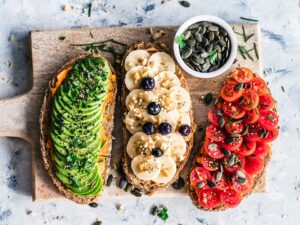
First of all, what is gluten? Gluten is a protein found in wheat, rye, barley, and triticale—a cross between wheat and rye. It also acts as a binding agent to hold processed foods together.
Besides wheat, gluten is often found in oats that have been processed alongside other gluten-containing foods. However, oats do not contain gluten on their own.
Oats are often contaminated with gluten during growing, harvesting, or processing in facilities that also handle wheat or other gluten-containing grains. Therefore, for people who need to avoid gluten entirely, it is essential to choose oats that are specifically labeled “gluten-free” to ensure their purity.
How does gluten affect the body?
Generally, gluten is not considered harmful to the body. However, for specific individuals, consuming gluten can be dangerous. Most people who follow a gluten-free diet do so for medical reasons.
This is because our bodies are equipped with various digestive enzymes that break down food into smaller forms for easier absorption. One of them is protease, an enzyme that specifically processes proteins. However, protease cannot fully break down gluten.
This undigested gluten then moves to the small intestine. For most people, this leftover gluten does not cause any issues and passes through the digestive system without problems.
However, in some individuals, the presence of undigested gluten can trigger a serious autoimmune response or cause unpleasant symptoms.
Health conditions triggered by improperly digested gluten

These conditions generally fall into two main categories: celiac disease and non-celiac gluten sensitivity (NCGS). Celiac disease is a serious autoimmune condition in which the immune system reacts to gluten by attacking the small intestine’s lining. This reaction damages the villi and can lead to nutrient malabsorption.
Meanwhile, some people experience symptoms such as digestive issues and other discomforts after consuming gluten-containing foods. These individuals may have non-celiac gluten sensitivity (NCGS). People with NCGS experience symptoms similar to those with celiac disease, which disappear once gluten is removed from their diet.
The difference between those with celiac disease and those with NCGS can be seen through test results. Some people experience symptoms found in celiac disease, such as brain fog, depression, ADHD-like behavior, stomach pain, bloating, diarrhea, constipation, headaches, joint or bone pain, and chronic fatigue.
When consuming gluten, but test negative for celiac disease. This means they likely have NCGS.
Here’s the breakdown:
Who should go gluten-free:
- Diagnosed with celiac disease
- Diagnosed with non-celiac gluten sensitivity (NCGS)
- Have a confirmed wheat allergy
Who shouldn’t:
- People with no medical issues, unless advised by a doctor
Gluten-free diet
Individuals diagnosed with celiac disease or non-celiac gluten sensitivity (NCGS) are required to follow a gluten-free diet. The primary principle of this diet is to avoid foods containing gluten. Bread, cookies, pasta, cereal, butter, yeast, and beer are just a few examples of gluten-containing foods.
People on a gluten-free diet must avoid these foods. If they want to eat bread or pasta, they must look for gluten-free alternatives. Food manufacturers typically indicate on the label whether a product contains gluten.
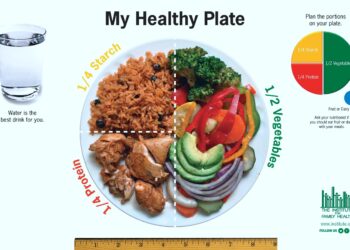
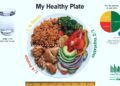
Additionally, those following a gluten-free diet are advised to consume a variety of fresh foods, including fruits, lean meats, and low-fat dairy products.
Suppose you do not have a medical condition such as celiac disease, NCGS, or a wheat allergy but are still interested in trying a gluten-free diet. In that case, it is strongly recommended that you consult with a doctor or nutritionist first.
This diet should not be done carelessly, as it may lead to nutrient deficiencies if not properly planned. Consulting a doctor or nutritionist can help you understand the potential impacts and ensure your nutritional needs are met.