
Why are so many people suddenly ditching processed snacks and reaching for quinoa and kale? It’s not just a diet – it’s a way of life. Welcome to the world of clean eating.

Clean eating became a trend in 2024. On the other hand, global health organizations have stated that over 70 percent of global deaths are caused by non-communicable diseases. The rise in chronic illnesses and obesity has contributed to the emergence of the trend.
People who are increasingly concerned about developing serious health issues began seeking ways to improve their health, one of which is by adopting healthier eating habits. This trend was further supported by social media, which helped push it into the global spotlight.
In this era of easy access to information, people are quickly exposed to new ideas and trends. So, when the hashtag #cleaneating began to spread widely, many people were influenced to follow it.
Understanding what clean eating is
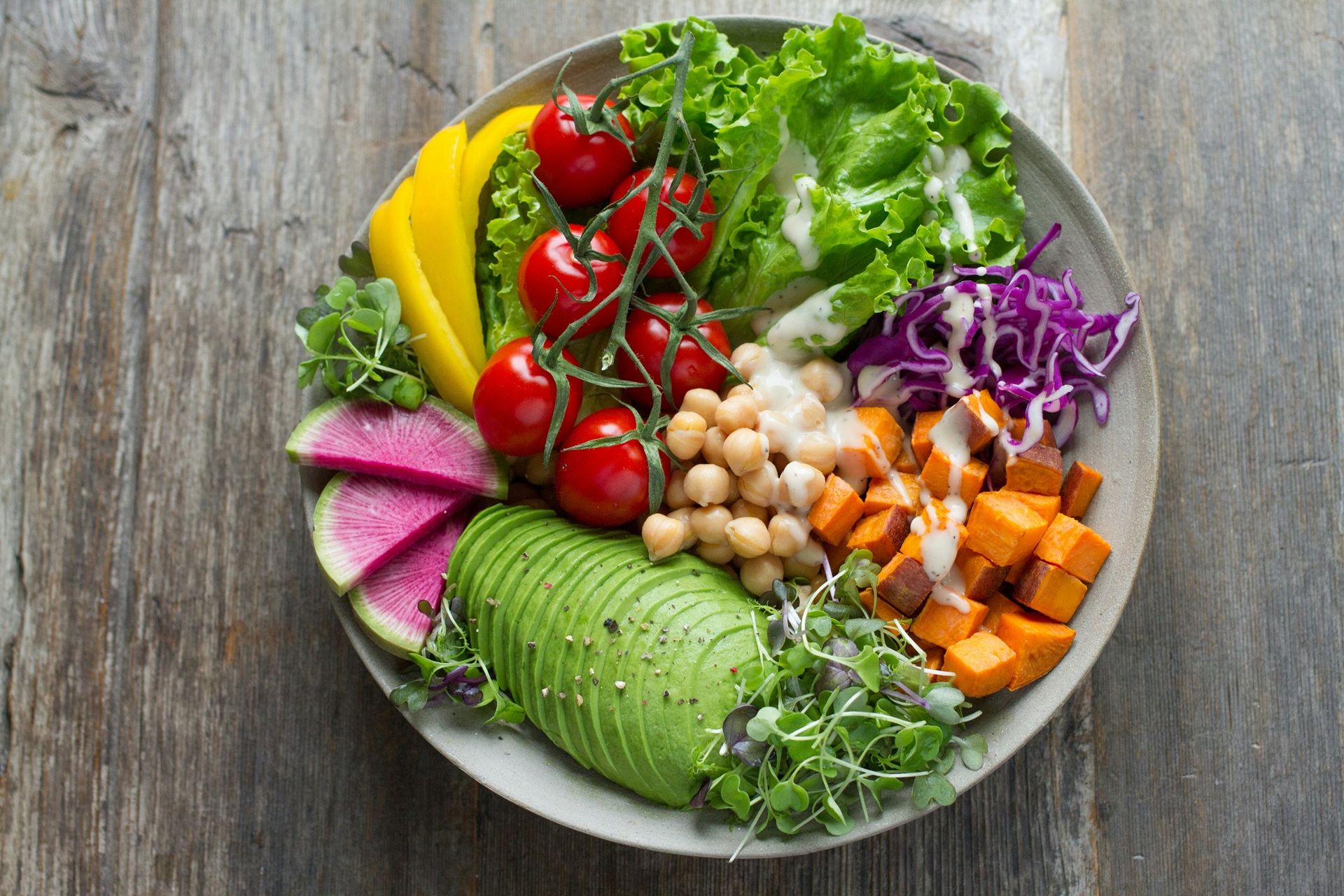
Clean eating is closely associated with natural, organic, and fresh foods. Simply put, it’s means choosing whole foods that are minimally processed, with limited use of chemicals and preservatives.
Minimal processing means these foods retain a wider range of nutrients. As a result, the benefits to the body are greater compared to processed foods, such as fast food or canned food.
With various nutrients from whole foods—such as vitamins, minerals, protein, and healthy fats—clean eating is believed to improve heart and brain health, support weight management, strengthen the immune system, and increase energy levels.
The benefits of clean eating
The benefits of clean eating for the body are significant. First, the body becomes rich in nutrients, vitamins, minerals, healthy fats, and high-quality protein, all of which support heart and brain health.
Next, clean eating habits help cells function regularly, regulate blood sugar levels, and contribute to long-term health.
Additionally, a body accustomed to absorbing balanced nutrients will have a stronger immune system, more energy, and will gradually improve weight control.
Common misconceptions about clean eating
In simple terms, clean eating means avoiding processed foods and those high in preservatives or certain additives. The goal of clean eating is to consume whole, natural foods.
However, many people misunderstand the concept of clean eating. Public perceptions of clean eating vary widely and continue to evolve. Well-intentioned efforts to eat clean can sometimes lead to rigid food rules that are constantly changing and often unsustainable.
Such patterns are a concern among nutrition experts, as highly restrictive diets tend to be unrealistic and difficult to sustain over the long term.
Maintaining good health does require healthy eating habits, but there is no one-size-fits-all approach to nutrition. If you are currently unwell, it’s best to consult a doctor about what foods are safe and beneficial for you. Not all real food is suitable or needed by everybody.
Therefore, it’s important to remember that clean eating is not a magical solution to all health problems. A more flexible and balanced approach, guided by your body’s needs, is far better. Building a positive relationship with food will help you achieve better overall health.
How to start?
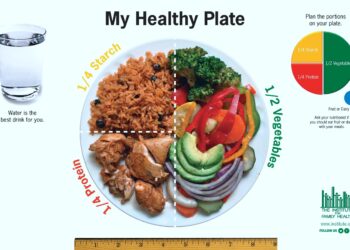
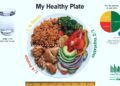
Starting can be challenging. Essentially, encourages you to avoid refined carbohydrates such as white bread and cookies. You can replace them with more nutrient-dense carbohydrate sources, such as brown rice, potatoes, and whole-grain bread.
Fruits and vegetables are essential components of a clean-eating diet. It’s recommended to consume them in their whole form rather than juicing them. You should also limit your intake of frozen or canned produce, which often contains added sugars and salts.
Next, don’t forget to choose lean protein sources. These can include skinless chicken breast, beef, fish, and eggs – preferably sourced from organic farms.
Equally important is reducing your consumption of high-salt and high-sugar foods such as chips, cookies, yogurt, and fast food. You can replace these with healthier snacks, such as nuts and fresh fruits.
Clean eating isn’t about being perfect – it’s about being more mindful. Start small, listen to your body, and remember: the best ‘clean’ diet is the one you can stick to.