
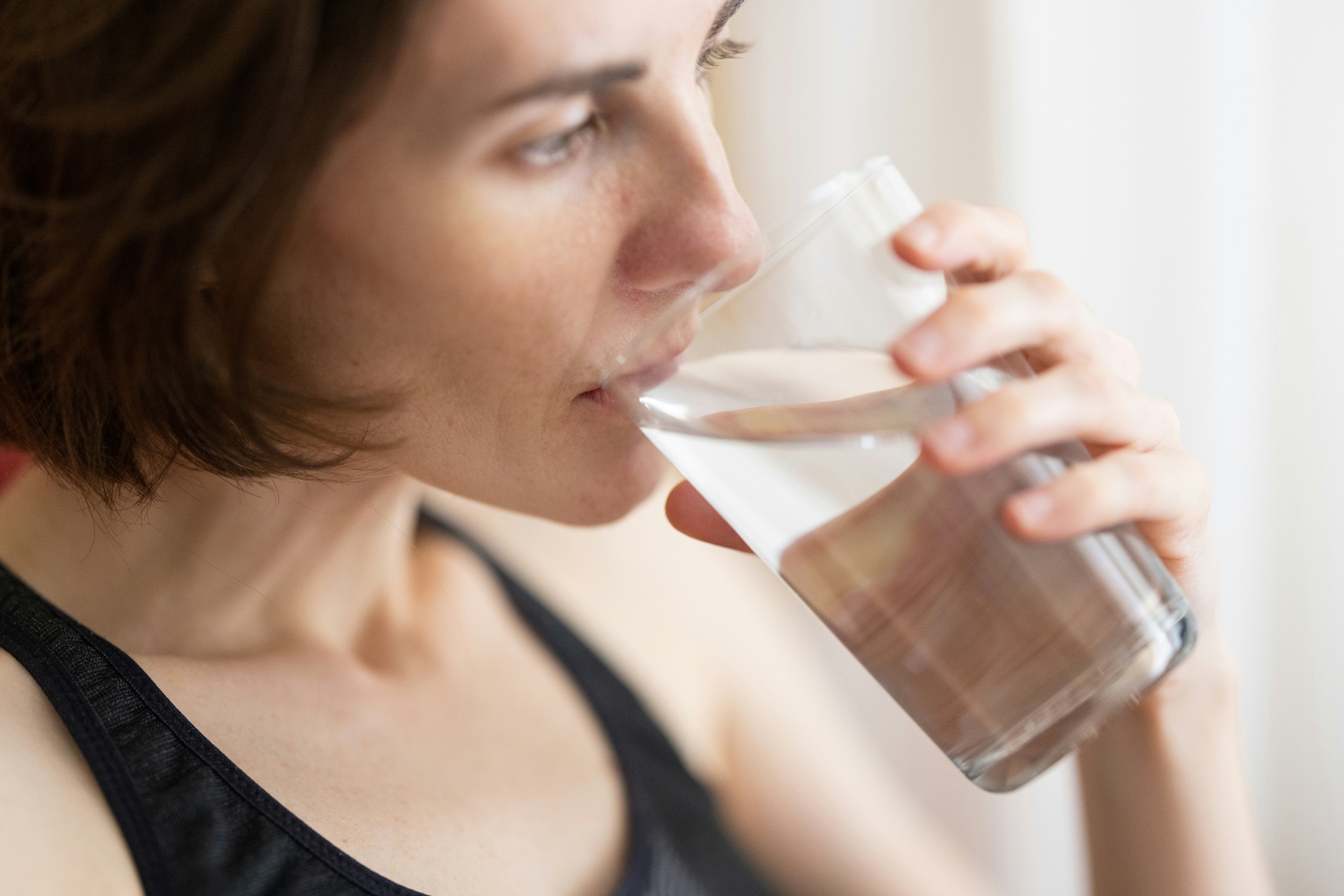
Here’s the deal: most of us know we should be drinking more water. But do we know why? Or what happens when we don’t?

Spoiler: it’s a bigger deal than you think.
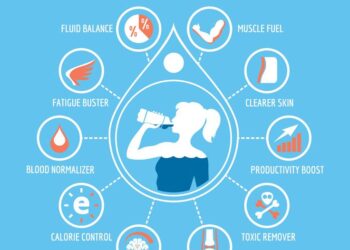
Water isn’t just something we drink because we’re thirsty. It’s the fuel that runs the entire machine. Your body depends on it for just about everything—delivering nutrients, regulating temperature, protecting your organs, and flushing out all the junk you don’t want hanging around.
Let’s break it down.
What does being hydrated mean?
Drinking enough water helps the heart pump blood more easily throughout the body. The heart doesn’t have to work as hard. On the other hand, muscles also function more efficiently. This is why staying hydrated is very important.
Being hydrated means that your body has a sufficient supply of water. The amount of water a person needs depends on various factors, including climate, clothing, and the intensity and duration of physical activity. For example, someone who sweats a lot will need to drink more water.
Individuals with certain medical conditions may require more water than the average person. And it’s worth noting that thirst is the body’s natural way of reminding you to drink. However, being thirsty doesn’t necessarily mean you’re dehydrated.
The easiest way to check if your body is dehydrated is by looking at the color of your urine. Being pale and clear indicates that you’re well-hydrated. Darker urine means you should drink more fluids.
Humans are walking water balloons. It’s not an exaggeration. Approximately 78% of your body is composed of water. Your brain and heart contain approximately 73% water, while your muscles and kidneys contain around 79% water. Even your bones—yes, bones—are about 31% water.
So when you’re dehydrated, it’s not just about being a little thirsty. It’s about your entire system running on empty.
Hydration isn’t just about thirst
Sure, you should drink when you’re thirsty – but if that’s the only time you’re sipping water, it’s already too late.
According to Lindsay Baker from the Gatorade Sports Science Institute, hydration is about maintaining a steady intake throughout the day, rather than gulping water all at once.
Drinking a ton in one go? Your body might just flush it right back out. That’s the bolus response, says Evan Johnson, a physiology professor. It’s your body’s way of saying, “Too much, too fast.”
Bottom line: sip often, not just when you’re parched.
The dangers of dehydration
A lack of fluids can lead to dehydration. The best way to prevent this is to drink water before you feel thirsty. When you delay drinking water and end up dehydrated, your body may experience mild dehydration. Symptoms include headaches, fatigue, and dizziness. In more severe cases, dehydration can lead to serious conditions such as heatstroke.
This condition can also occur if you don’t drink enough water or if you’re taking medications that increase urine production. Dehydration doesn’t only happen in hot weather—it can also occur when you’re sick with a fever, diarrhea, or vomiting. In such cases, it’s essential to seek medical help immediately.
Dehydration isn’t always easy to detect. It can affect elderly people who forget to drink, or fussy babies who can’t express that they’re thirsty. In such cases, those around them need to help ensure proper hydration.
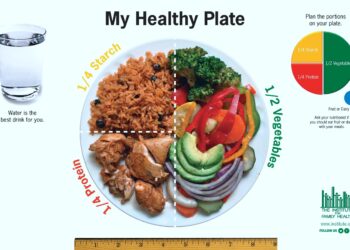
Staying hydrated isn’t just about drinking water. Plain water is the best way to stay hydrated, but it’s not the only source. You can also stay hydrated through food. Fruits and vegetables with a water content of more than 80 percent can help maintain fluid levels in the body.
Examples include cucumbers, lettuce, celery, radishes, tomatoes, zucchini, summer squash, asparagus, bell peppers, cabbage, cauliflower, and mushrooms – many of which contain over 90 percent water. As for fruits, strawberries and watermelon both have 92 percent water content.
Your body is mostly water. So if you’re not drinking enough of it, nothing runs the way it should.
Hydration isn’t just a wellness trend – it’s the foundation of everything: your focus, your energy, your mood, your physical health. So treat it like the priority it is. Sip steadily, snack wisely, and keep your body running the way it was built to.