


Not all dangerous diseases show up with dramatic symptoms. Some of the deadliest health conditions develop quietly and without warning. These are what experts call silent killers — illnesses that can progress for years without obvious signs but can lead to serious complications or even death if not caught early.

So, why is it called a silent killer? These diseases tend to progress slowly, with minimal to no symptoms initially. By the time you notice something’s wrong, the condition may already be advanced.

Unhealthy diets, lack of physical activity, smoking, alcohol use, air pollution, and limited access to healthcare only make things worse. WHO notes that “risk factors for non-communicable diseases (NCDs) are often made worse by environmental and social conditions.”
As the WHO says, “Many silent killers can be prevented and controlled through early detection, risk factor management, and access to affordable healthcare.”
Here are seven silent killers you need to know about, based on data and publications from the World Health Organization (WHO):
Heart Disease
Heart disease, including heart attacks and strokes, is the number one cause of death worldwide. Many people don’t realize they have it until a sudden event happens. High blood pressure and high cholesterol are key culprits, often going unnoticed for years.

As the WHO puts it, “Cardiovascular diseases can develop silently for years before causing life-threatening events.”
Cancer
Cancers like breast, lung, or prostate cancer often start with no symptoms. By the time signs appear, the disease may already be in an advanced stage. This is why regular checkups and screenings are so important — especially for cancers that are preventable or treatable when caught early, like cervical cancer.
Diabetes (Type 2)
Type 2 diabetes tends to creep in slowly. You might feel fine for years while high blood sugar silently damages your organs — your kidneys, eyes, and nerves can all be affected. WHO warns that diabetes often goes undiagnosed until it’s already causing serious problems.
High Blood Pressure (Hypertension)
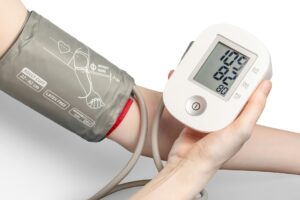
Known as the “silent killer” for a reason, high blood pressure usually doesn’t cause noticeable symptoms. However, it can cause damage to the heart, kidneys, brain, and blood vessels over time. Around 1.3 billion people around the world live with hypertension, and nearly half don’t even know they have it.
Chronic Respiratory Diseases
Diseases like asthma or chronic obstructive pulmonary disease (COPD) may begin with something as mild as a slight shortness of breath or a persistent cough. Many people brush it off as normal aging or just being “out of shape.” But over time, lung function declines, and once the damage is done, treatment may be less effective.
Chronic Kidney Disease
Kidney problems often fly under the radar until it’s too late. Many people don’t realize their kidneys are failing until they’re already facing serious complications. Diabetes and high blood pressure are major risk factors, so managing these conditions early on is crucial.
Obesity
Obesity doesn’t always feel like a health emergency, but it’s a significant risk factor for heart disease, type 2 diabetes, certain cancers, and even respiratory issues. WHO emphasizes that obesity often goes unrecognized as a health issue until complications show up. It’s more than just a weight concern — it’s a serious medical condition.
What Should We Do?
The good news is that many of these silent killers can be prevented or managed — especially when caught early. Here’s what WHO recommends:
Get regular health checks, especially for blood pressure, blood sugar, cholesterol, and cancer screenings.
Eat well and move your body — at least 30 minutes of daily physical activity makes a significant difference.
Avoid smoking and limit alcohol, and aim to maintain a healthy weight.